Flying Fears

Having one child still in college means a perfectly legitimate excuse for a spring break trip. This year we arranged for our youngest daughter to meet us in Sydney, Australia. She flew the 16-hour “Pacific Express” from Dallas to Sydney via Brisbane. It’s a long haul, but even so, she was ahead of us by a couple of hours. We followed behind her from Port Moresby to Cairns, Australia before journeying on to Sydney. Our flight from Port Moresby to Cairns was on a de Havilland Dash 8. I’ve flown the ‘ol Dash more in the last couple of years than in my whole lifetime before moving overseas. I used to avoid them like the plague because I was just convinced they would crash. But, flying has become so much a part of my life, so routine, that my fears have become nonexistent, well…almost.
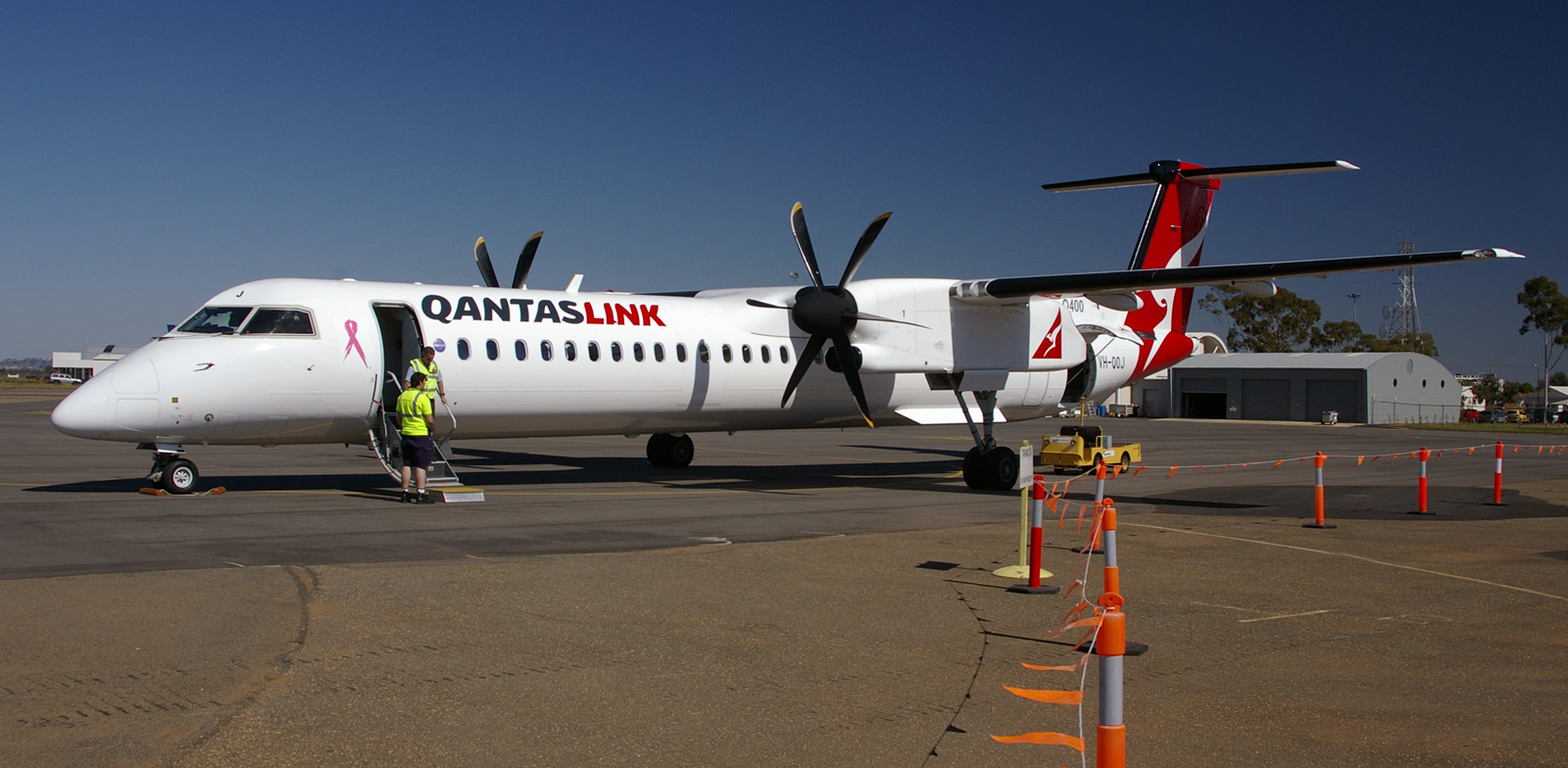
It was Saturday, March 8th, notable because of my husband’s momentous birthday the day before – making him eligible for retirement. The date would take on much greater significance by day’s end, and I would revisit many of my flying fears.

Entering Australia from Papua New Guinea means passport control and customs. On the way down to Cairns, I passed the time reciting my passport number to my husband. I was determined to finally memorize it so I wouldn’t have to fumble with my passport, my reading glasses and the small print on the incoming passenger card. It’s infuriating for those of us in our 50’s with failing eyesight.

As we came through passport control, I noticed an extraordinary amount of staff on duty in the small airport. But Cairns is an international resort town with connecting flights to the rest of Australia so I didn’t think too much of it at first. But then I noticed that no one was being very friendly. ‘Where are all the tan, gregarious Australians?’ I thought. Where was my ‘Hello Love!’?  This time the agent who took my passenger card wasn’t smiling. In fact, she looked downright mean.
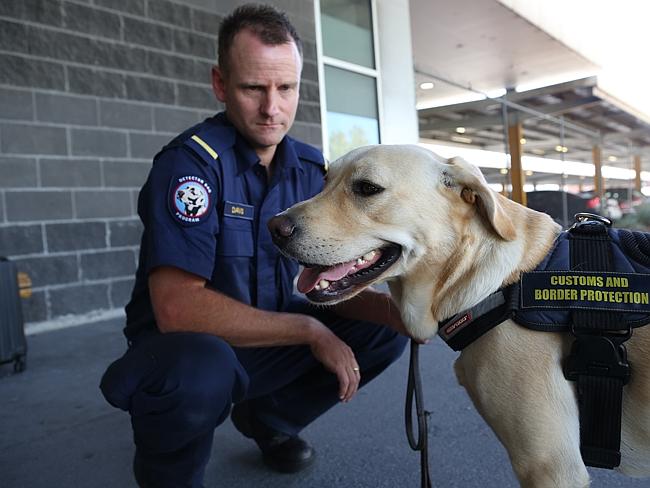
While my efforts to memorize my passport vitals were successful, I’d forgotten to actually write the info down on the card. I guess that sets off alarm bells. Still not smiling, the agent remarked that I had been remiss in my responsibility to properly fill out my card. She then motioned for me to step into “you are being punished for not writing down your passport number” lane. My bag and me were ushered off to the left where I was commanded to stand between two black lines and not to move. I was searched, sniffed by a sweet puppy trained to detect bombs and drugs, and swiped for explosive material. Thankfully I passed because, you know, I was pretty worried about it. I realize that being a middle-aged American woman makes me a prime suspect for all things deadly. My much more stern looking husband got no such treatment but of course, he remembered to fill out his card completely. I now know that being thorough on the passenger card is the number one sign for not being an international terrorist. He was waiting patiently for me at the exit. I met his quizzical look with a shrug as we proceeded into the arrival lobby.

The tiny lobby was filled with security. Australian police stood in groups of three, talking quietly and looking around. More customs agents and their dogs walked in and amongst all the passengers who had just arrived. “What in the world is going on?” I asked my husband.

Later that day we learned of Malaysian Airlines flight 370’s disappearance under mysterious circumstances. When we flew through Cairns, the news was still fresh and everyone was speculating about terrorism. No one knew then (and no one knows now) where the plane went or the fate of the mostly Chinese passengers on board.

I’ll never know if the unusual circumstances in Cairns were just routine tightened security or whether the plane’s disappearance made the atmosphere more tense in a town that hosts so many Chinese travelers. Whatever it was, it was definitely out of the ordinary.

I would continue to follow the story of MH370 in the coming days. It took on extra significance for me because my husband and I were meeting in Kuala Lumpur some weeks later and we were flying Malaysia Air. For the first time in many years, fears about my fate in flight resurfaced. Would I know if something were wrong with my plane or if I were about to lose consciousness? Would I notice an odd turn in our flight path? Would I start looking at the pilots and crew more intently for signs of distress? All things I haven’t given much thought in years.

Flying is a necessary part of the expat life and I accept the risks. But the frequency and the routineness of it all breeds over confidence. I’ve become much more concerned about my physical comfort than my physical safety, in spite of the real dangers that exist in the world today. Those dangers are the reason for the mean faces, the dogs and the attentiveness to the passenger cards. And though I find it annoying, those dangers are why I’ve been screened, searched, swiped, questioned, even yelled at, all over the world. I know I’m supposed to trust those procedures for my protection, but when my flying fears resurfaced I had to ask myself – Whom did I really trust? Did I still trust the God of my salvation with my fate and my eternal security no matter what may befall me? I found my reassurance in Psalm 91.

The one who lives under the protection of the Most High dwells in the shadow of the Almighty. I will say to the Lord, “My refuge and my fortress, my God, in whom I trust.”” (Psalm 91:1–2, HCSB)

Whether I survive or perish, I am the Lord’s…and I’m going to be just fine.
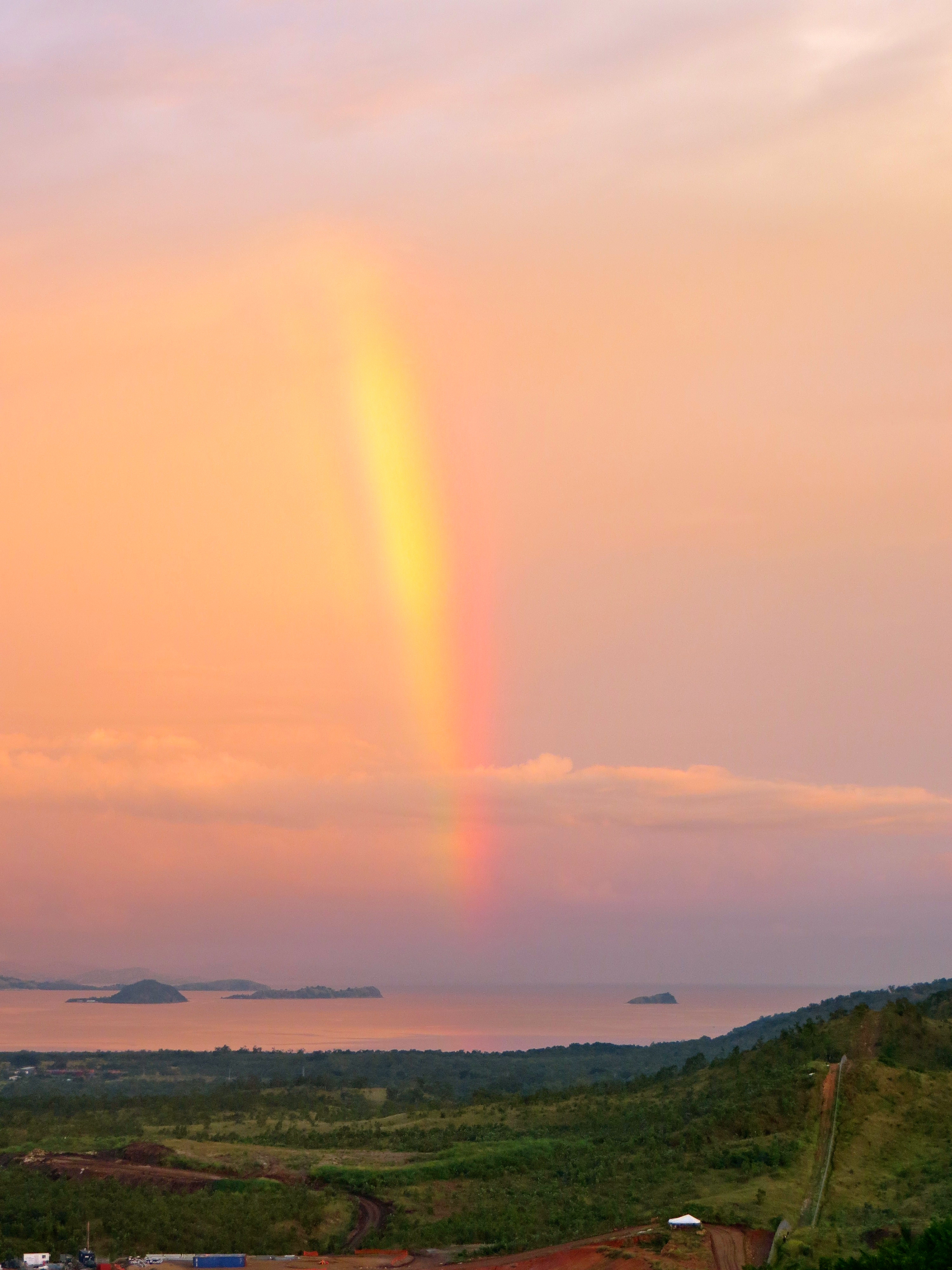
under the protection of the Most High Photo: Shirley Ralston

under the protection of the Most High
Photo: Shirley Ralston
Posted in Devotional Essays, Travel | Tagged , , , , , , , , | 3 Comments

Stick With Me Baby, I’ll Take You Places

IMG-20140411-00197 
 

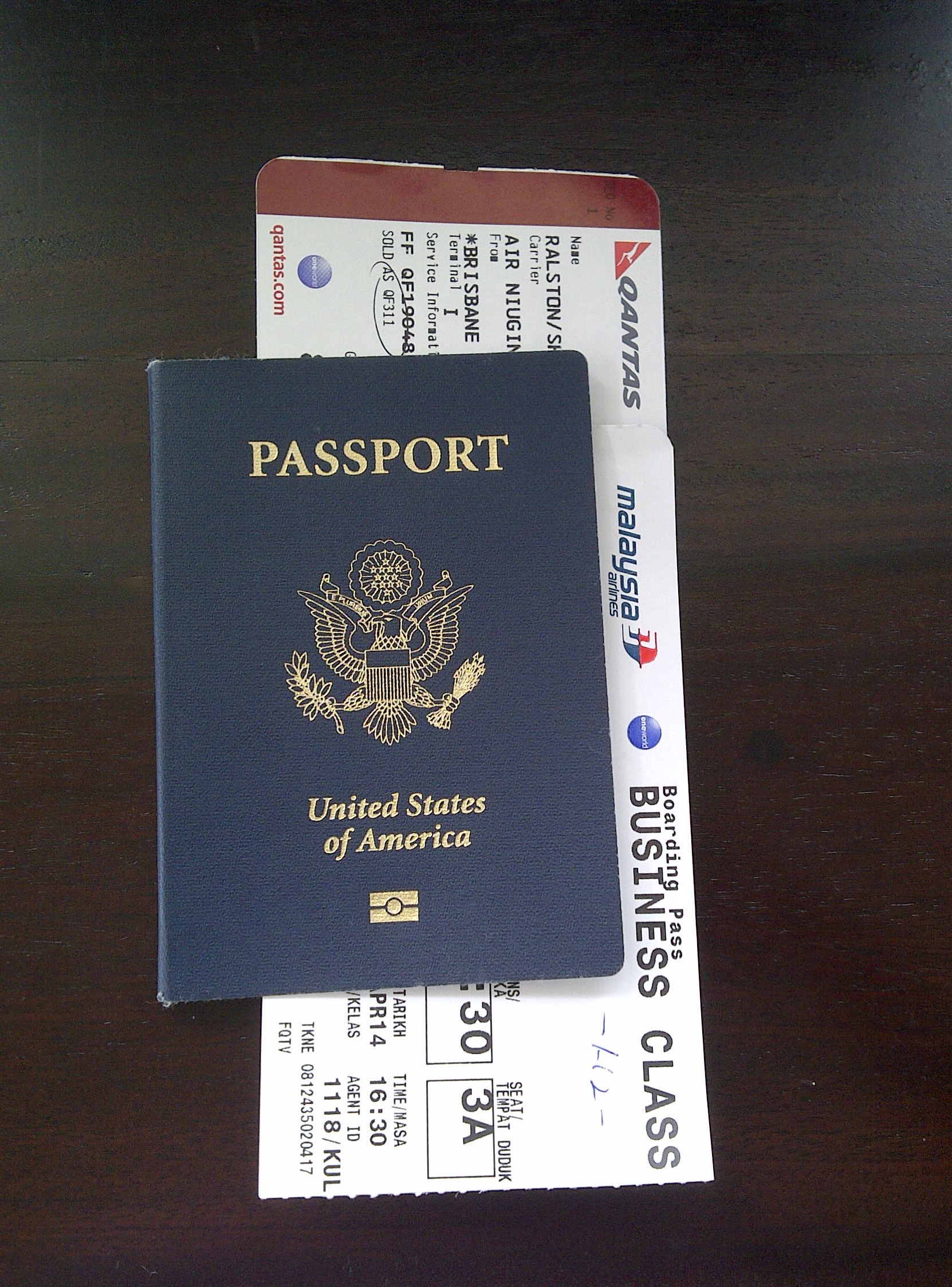
I’m back in Port Moresby after a month of traveling to Australia, the U.S. and Malaysia. My itinerary was governed by my daughter’s university spring break and a much-needed trip to the U.S. How I ended up in Malaysia is still kind of confounding…probably not the wisest decision but I’m glad I got to visit Kuala Lumpur. In 30 days time, my boarding passes looked like this: POM/CNS/SYD/DFW/HOU/BNA/HOU/DFW/BNE/SIG/KL/SIN/BNE/POM

That’s 26 take off and landings, over 60 hours in the air and over 30 hours waiting in airports. A traveling soul mate commented, “How did you let your husband talk you into that?” ‘Hmmm…yes’, I thought. ‘How did that happen exactly?’ “Stick with me baby, I’ll take you places”, he said. I fell for it. The lure of foreign lands and my adventurous spirit conspired against my better judgment. You could say it’s my idea of subduing the earth.

I get funny reactions from family and friends about my travels. Some wish they could go with me, others think I’ve lost it, and some just aren’t interested. But you can always tell when you are talking to someone who shares your same irresistible wanderlust. You can see that restless yearning for the faraway experience in their eye. My fellow expat traveling friends understand this very well.

Traveling is challenging. For example, I’m sure my current diet of lime Jell-O and soup broth are evidence of too much exposure to public bathrooms and too many people in tightly enclosed places. But, if you are willing to endure the challenges there is great reward. My latest journeys were exciting (an unforgettable bridge climb), poignant (MH370)  and comedic (language barriers), sometimes even infuriating (security). But its all become part of my life story that I look forward to passing on to my grandchildren and anyone else who’s willing to listen to me.

I hope my reflections will make you laugh and give you some things to ponder.

Posted in Blog Entries | Tagged , , , , , , | 2 Comments

Ephesus or Papua New Guinea ~ The Culture Clash of Acts 19

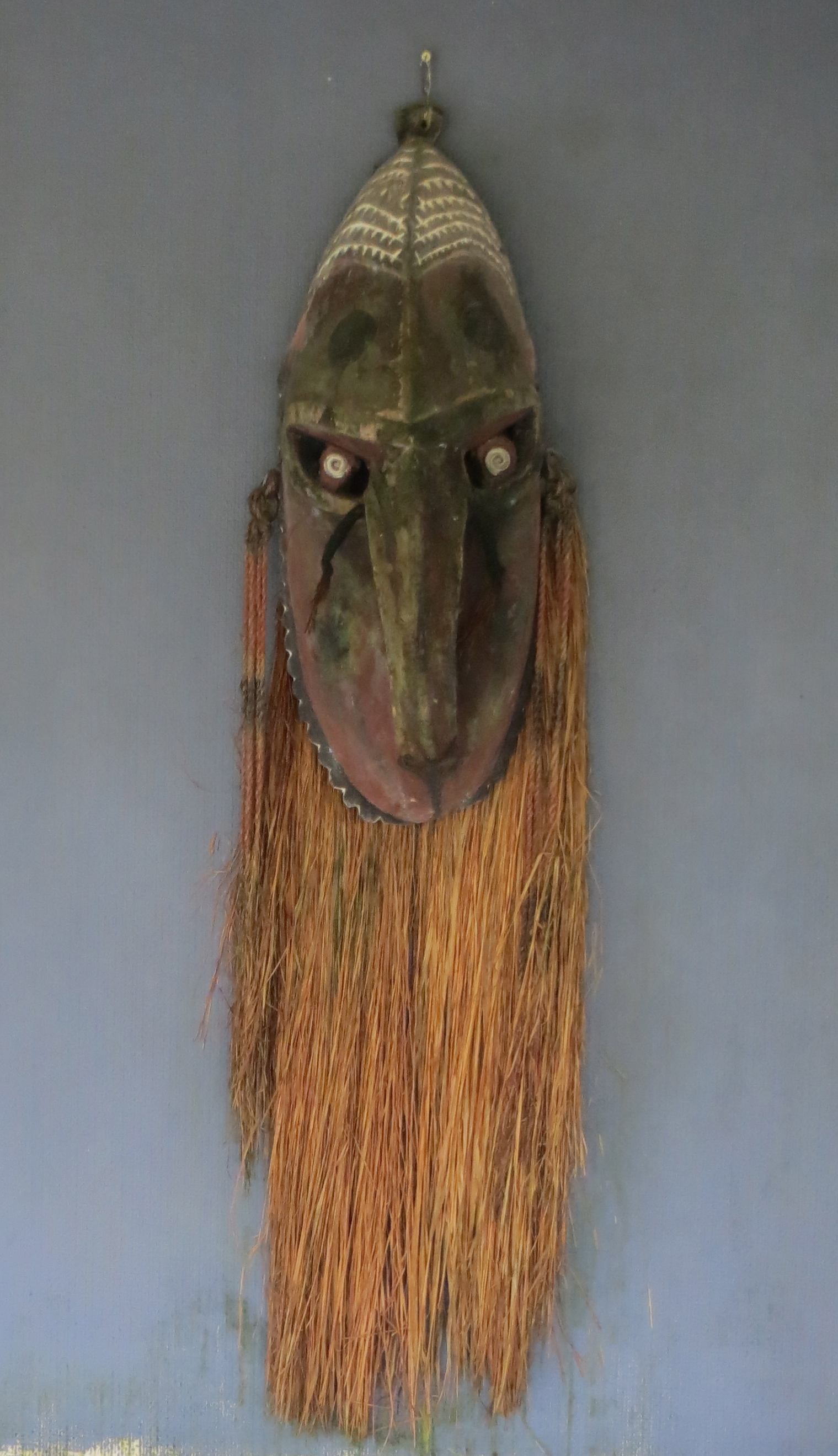
Tribal Mask

Tribal Mask of PNG ~ Shirley Ralston
Tribal Masks of PNG

Tribal Masks of PNG ~ Shirley Ralston
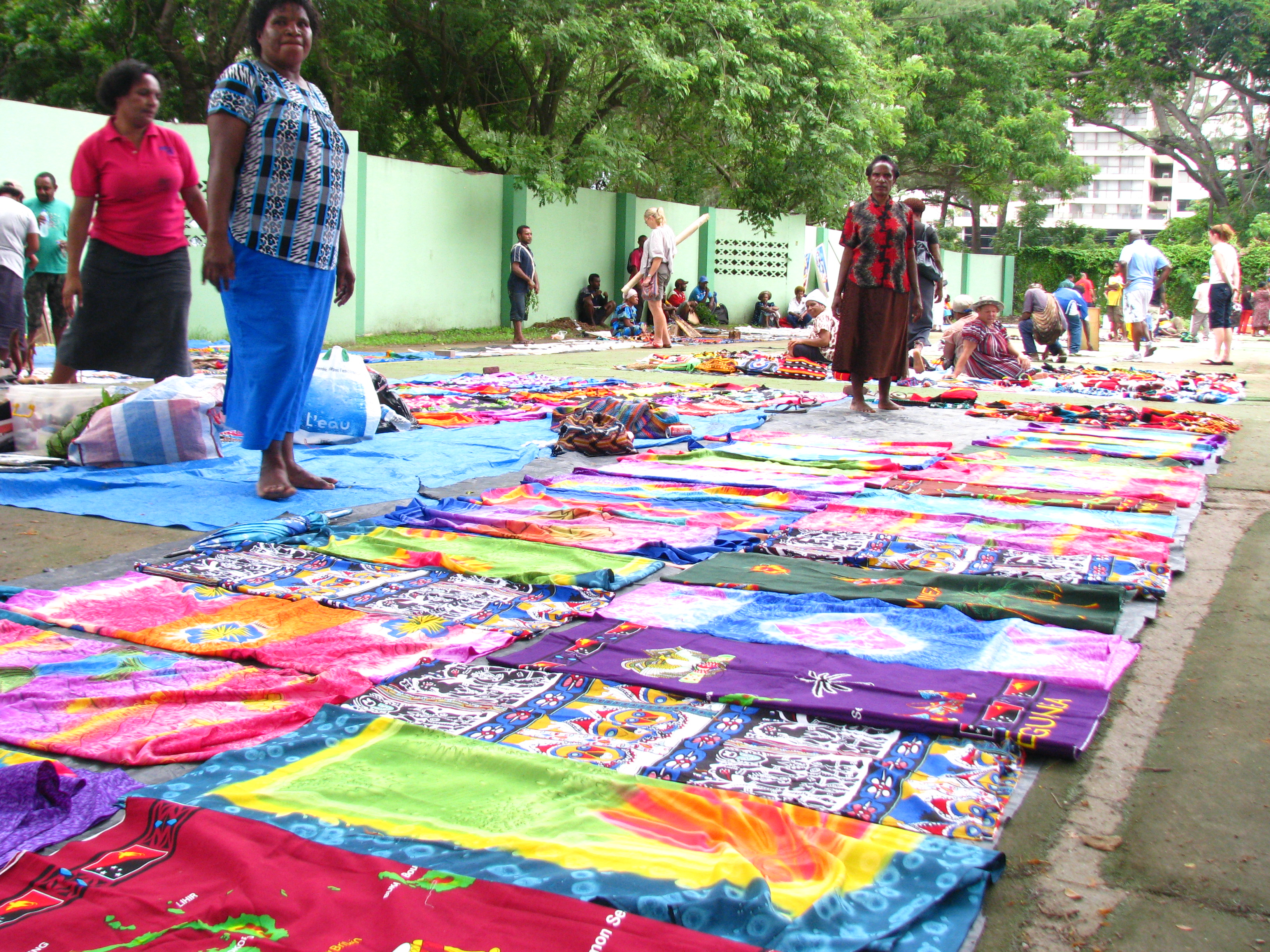
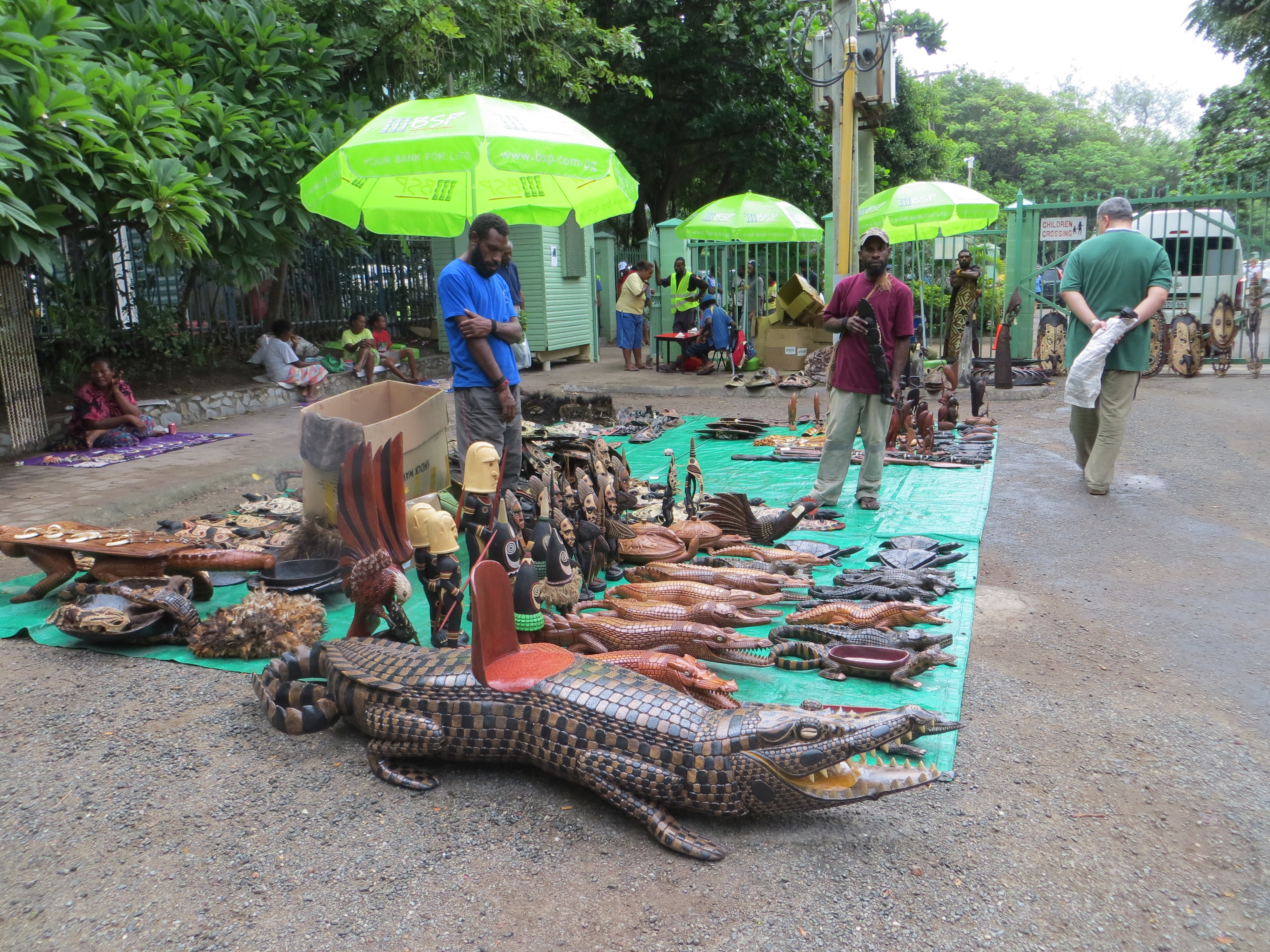
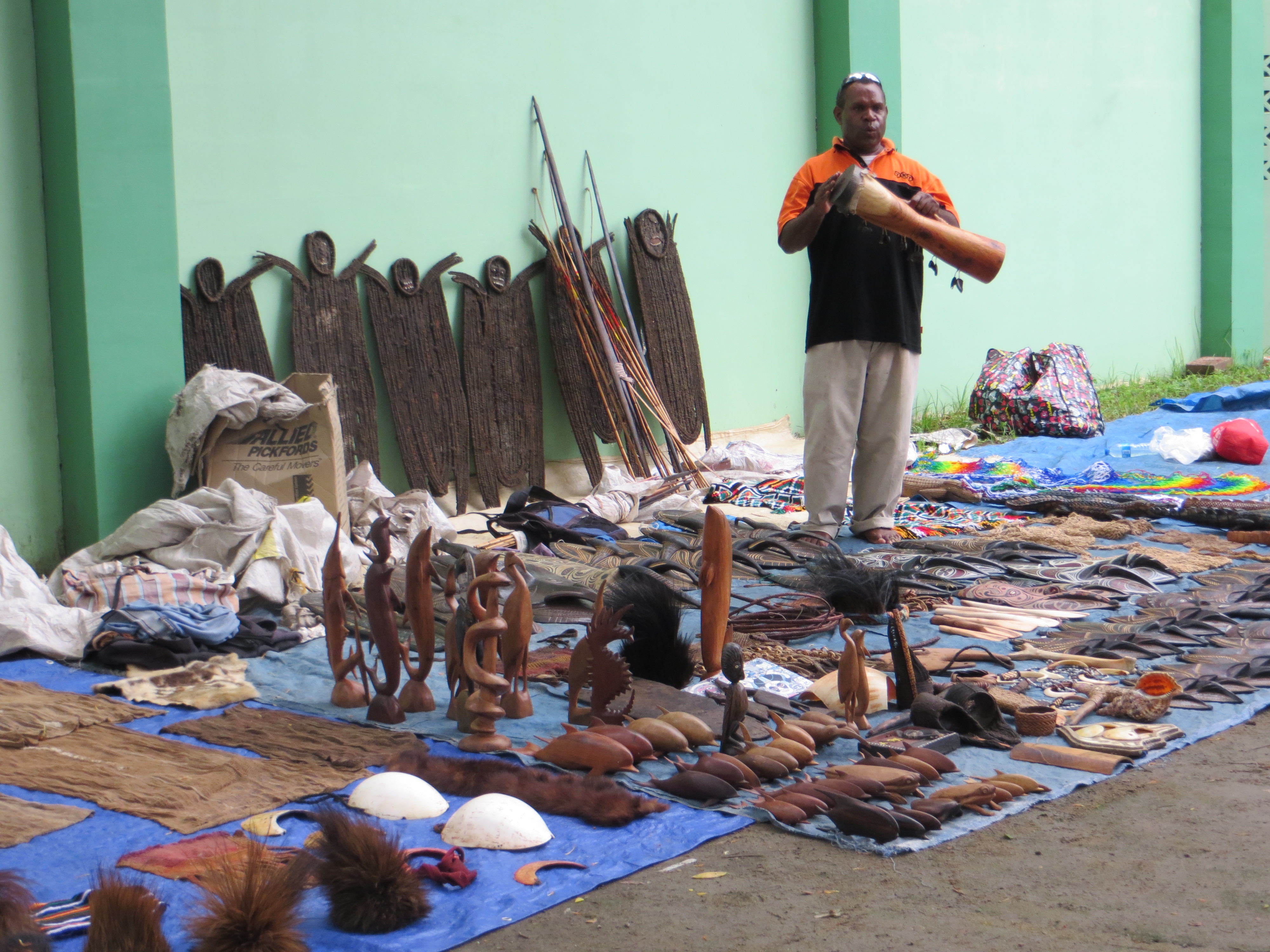
It’s a Saturday in Port Moresby and it’s a market day. I shop alongside other expatriate customers, slowly perusing the goods, looking for mementos of my time in the South Pacific. The vendors patiently endure the heat and humidity, gently fanning flies and swatting mosquitos. They smile eagerly, revealing teeth stained red from chewing betel nut. Tables are covered with hand carved bowls inlaid with mother-of-pearl, jewelry, and figures of crocodiles, turtles and pigs. On the ground are more sinister displays of bows, spears, axes and machetes. Encircling this eclectic mix of objects are vibrant paintings depicting local life, bilums unique to every village and beautiful hand-woven textiles. Amongst it all, it’s the tribal masks that draw my gaze. They are frightening but I stare anyway, enthralled by their ethereal appearance. I find myself wondering about their origin and use.

Bilums are unique to  every village ~ Shirley Ralston
Bilums are unique to the village where they are made

handpainted textiles at Ela Beach Market

Handpainted textiles at Ela Beach Market ~ Shirley Ralston

Crocs and such

Crocs and such ~ Shirley Ralston
more sinister displays

More sinister displays ~ Shirley Ralston
The markets are an important part of the economy, especially for the individual vendors. Artisans from the city and surrounding villages bring their wares to sell in one of several open-air venues around town. They are colorful events that provide an interesting glimpse into local life.

The arts and crafts are distinctly Papua New Guinean. Some are inspired by tribal culture and ancient religious practices. A long time missionary to Papua New Guinea explained to me that vendors often chant over the things they bring to market, hoping this will bring a good sale.  Some items may have been used to ward off evil spirits, for sorcery or for retaliation against enemies, even to catch more fish or bless a harvest. I heard a very wise local pastor give a warning to beware of purchases in the markets. “What may seem like an innocent souvenir to you, could have been used in cultic practice”, he said. Romans 1:23 comes to mind.

While the country is one of the most missionized places in the world, it is clear that implements of the past still hold sway in PNG culture. This syncretism creates tension between the teachings of Christ and age-old complex spiritual beliefs. Recently, a controversy erupted over the removal of tribal carvings in the Parliament building by a member of the government. Some see them as demonic, identifying Papua New Guinea with a past they no longer want to claim. Others feel they are part of the nation’s cultural heritage that must be preserved. A fractious debate has ensued over the integration of the country’s history and their Christian faith.

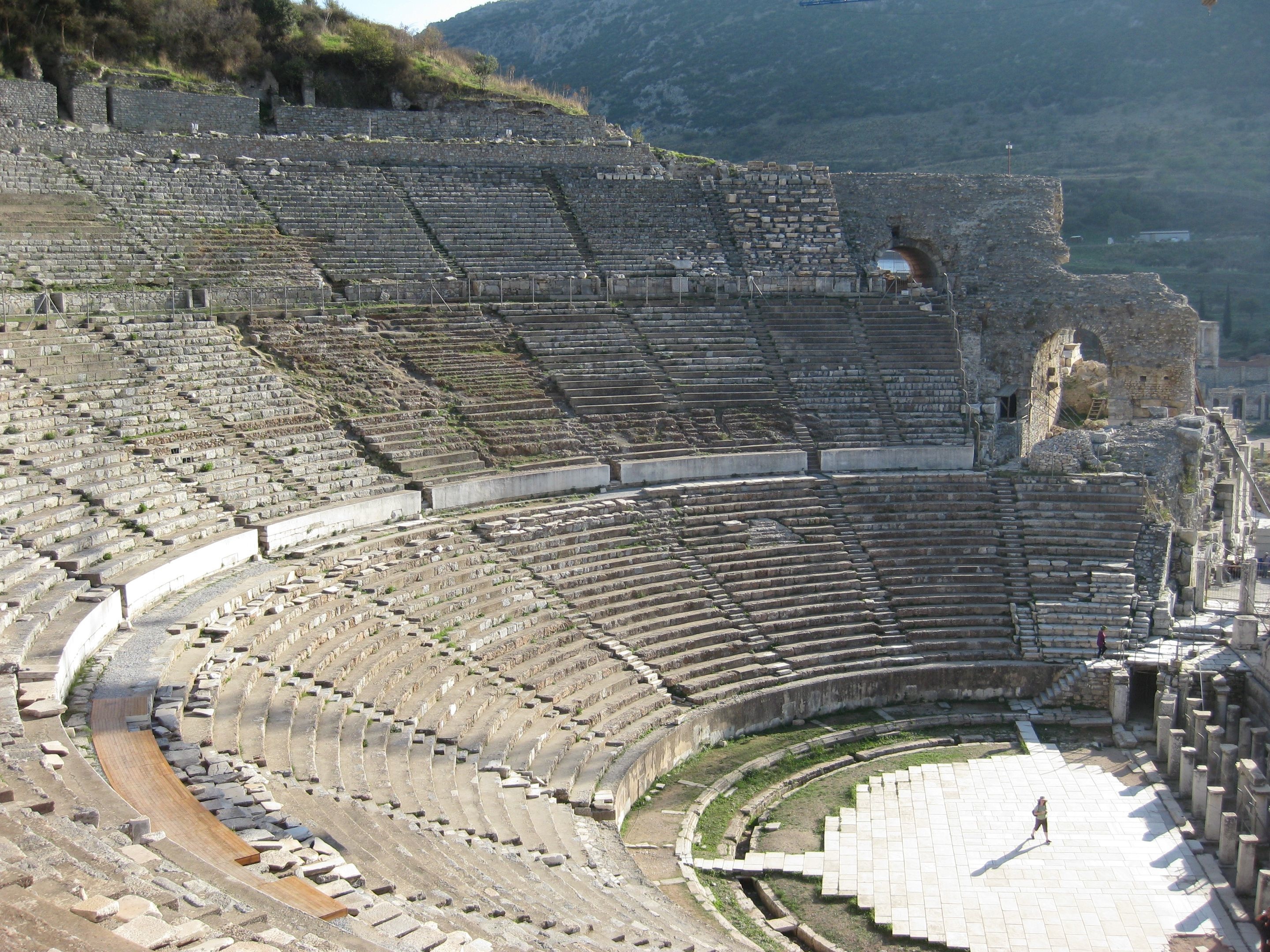
The similarity between what is happening in PNG and what occurred in Ephesus in Acts 19 is striking. Paul’s missionary journeys often ignited a cultural clash when he introduced the gospel message. Ephesus was no exception. His mere presence creates a disturbance and his testimony about Christ ripples through Ephesian culture, affecting their religion, politics, and the economy.

In Acts 19:15, evil spirits recognize Paul and the authority of Jesus, exposing the counterfeit exorcists trying to co-op Christ’s power. “The evil spirit answered them, “I know Jesus, and I recognize Paul—but who are you?”” I love the irony. Evil that is diametrically opposed to Christ actually reveals His authenticity. As a result, those who believed in Him set fire to their valuable sorcery scrolls (Acts 9:18-20), forsaking their lucrative economic livelihood. The conviction with which they abandon this pagan practice causes the word of the Lord to spread and grow.

Paul moves on to Jerusalem but the ripples of his revolution remain in Ephesus.

Demetrius, a silversmith and spokesman for the artisans of the temple, lodges a protest. His grounds? That Paul’s message has misled the people and interfered with their way of life. It’s interesting to look at the way he couches his argument:

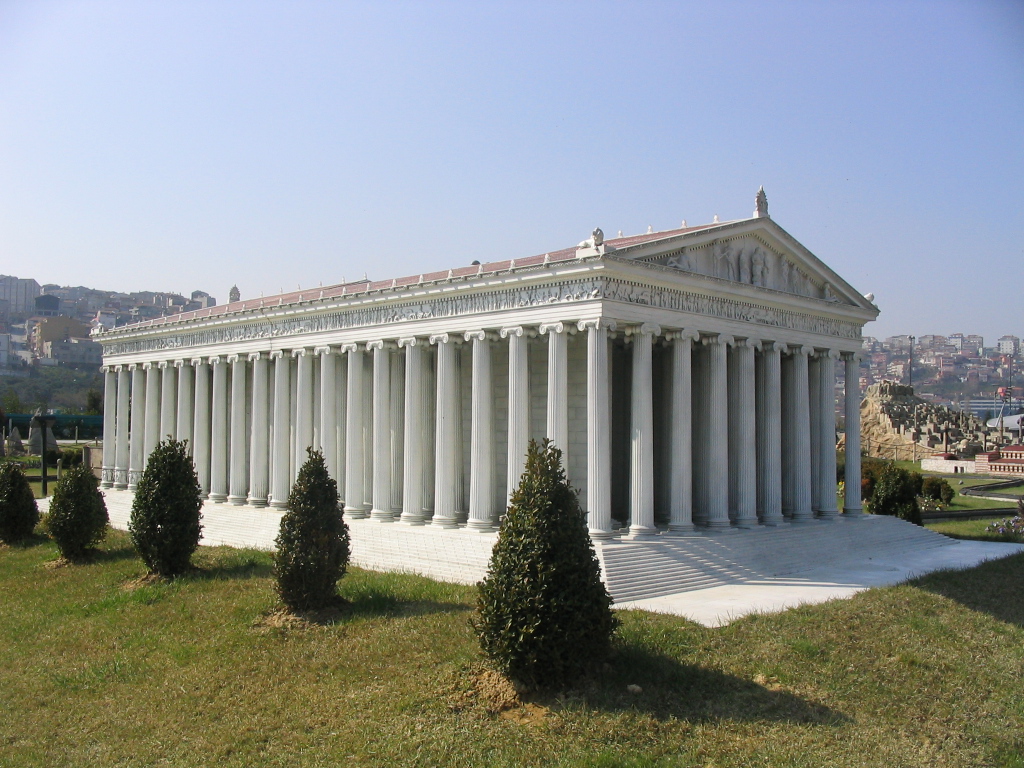
Reconstruction of the Temple of Artemis at Ephesus

Reconstruction of the Temple of Artemis at Ephesus
http://en.wikipedia.org/wiki/Temple_of_Artemis

  • “…“Men, you know that our prosperity is derived from this business. (Acts 19:25, HCSB)
  • “…Paul has persuaded and misled a considerable number of people by saying that gods made by hand are not gods!(Acts 19:26, HCSB)
  • “…So not only do we run a risk that our business may be discredited, but also that the temple of the great goddess Artemis may be despised and her magnificence come to the verge of ruin…” (Acts 19:27, HCSB)Paul’s teaching was a threat to everything they held near and dear – their livelihood, their beliefs and their identity. The lesson for us is clear. Belief in Christ creates tension because it challenges us to abandon our old life for a new one.

For many in Papua New Guinea, it is the challenge to abandon the counterfeit power of their pagan past, and take hold of the authentic power found in Christ. Should they preserve their cultural history? Absolutely, it is part of the powerful testimony of their road to freedom. This is true for every believer.

Dear friends, the world is full of “tribal masks” that draw our gaze from Christ. Are you hanging on to the counterfeit power of money, status, intellect, or a relationship? Maybe you struggle with misplaced spirituality. Can you put aside all superstition, notions of luck, or other belief systems that have control over your life? Are you careful about spurious doctrine that alludes to something more than Christ alone? In his book, The Weight of Glory, C.S. Lewis says, “He who has God and everything else has no more than he who has God only.” It is good to remember that anything we put our faith in more than Christ can become an idol.

Posted in Devotional Essays | Tagged , , , , , , , , , , | Leave a comment

Partnering for the People of the Pacific

We were in an unfamiliar part of town. Jeff had a map but our driver still wasn’t 100% sure of where we were going. He asked the driver, “What is the name of this road?” Uncertainty breeds nervousness in Port Moresby. No one wants to suddenly find themselves in a “no go” zone without a clear and fast exit route. We passed the Waigani Market and traffic slowed to a crawl. People flowed from the market into the street, weaving their way in front and behind the car. It felt ideal for a car jacking. As we inched past the market I spotted the Stop and Shop on the right and the fire station on the left. Both were landmarks on Jeff’s directions to our destination, the PNG Bible Translation Association. A few quick turns and we were safely inside the guarded compound.

Pacific Wa'a' welcome at PNG Bible Translation Association

Pacific Wa’a’ welcome at PNG Bible Translation Association

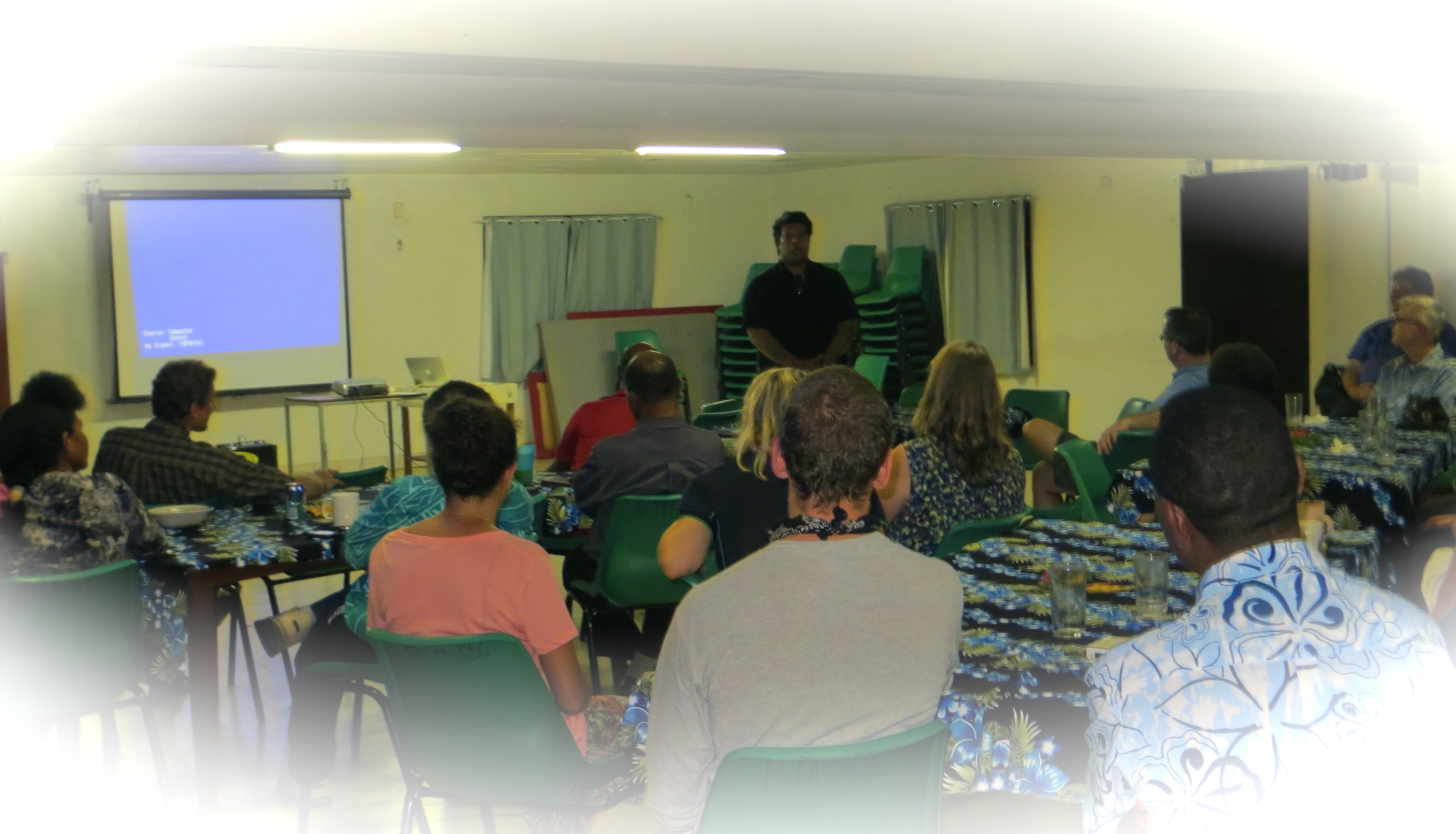
We were greeted by David Gela, the Executive Director of PNG BTA. A mutual friend from the close-knit global Christian community had put us in touch with one another. David graciously invited us to dinner and a meeting of the Pacific Wa’a Partnership. Pacific Wa’a is an association of ministries that works to further translation efforts in and around the Pacific Rim. Papua New Guinea has become ground zero for Bible translation in this region, due to the hundreds of different ethnic groups and languages present in the country.

A spread of local dishes awaited us. There were platters of roasted chicken and beef, steamed rice and local fruits. There were also several large, round bamboo steamers of mumu (food that is layered and cooked in earthen ovens). They were filled with kaukau, corn, pumpkin and kumu (a stalky vegetable similar to our southern collard greens), all of it wrapped in shiny banana leaves. The women who prepared the meal pulled back the leaves, releasing clouds of steam and uncovering piles of vegetables hidden inside. As a guest I was first in line and I tried not to let my self-consciousness show. I tentatively moved down the table, carefully selecting what I thought I could manage without seeming ungrateful. My body has taught me to be cautious of unfamiliar foods in PNG. The locals and the veteran missionaries showed no such tentativeness. They helped themselves to everything on the table with abandon. I watched as they stripped the leaves off the kumu with their teeth, leaving the stalk behind. ‘So that’s how you do it’, I thought. It was obvious everyone was happy to be blessed by such a feast.

There were people from all over the world at BTA that night, representing more than six different ministries that comprise the Pacific Wa’a Partnership. I found myself talking with Jean, a linguist from Virginia serving with SIL (Summer Institute for Linguistics). At dinner I sat next to Debbie and her husband Robbie, New Zealand missionaries who have served the Gulf Province for over 20 years. Across from me was Jonathan, a representative of The Seed Company from Dallas, Texas. All around us were young people serving with YWAM, who had traveled up by boat from Townsville, Australia. Our small world got smaller when we realized the YWAM leaders were Crystal and George Nita John, the daughter and son-in-law of our New Tribes Mission friends in Port Moresby – John and Linda Sutton.

Crystal and George Nita John with YWAM

Crystal and George Nita John with YWAM

After dinner several of the representatives shared their vision for what the group hopes to accomplish in the coming years. “Wa’a is the Hawaiian word for canoe—a symbol of journey”, Gela told us. “We’re on a journey together led and guided by the Holy Spirit towards the goal of seeing every language group in the Pacific have the Word of God in their own language.”

Vae Eli expresses his passion for Bible translation

Vae Eli expresses his passion for Bible translation

I was touched by the words of Vae Eli, a majestic Samoan “bear of a man”. In Polynesian fashion, he gestured eloquently with his hands as he spoke of his love for Papua New Guinea and the translation work to be done among the people here. Vae serves as one of the leaders of Youth With A Mission (YWAM) at the University of the Nations in Kona, Hawaii.

It was a privilege to be part of this gathering and to see so many people transcending culture and language for their shared goal. Translation efforts in individual people groups can take decades. Whether it is oral story telling, translation through symbols or the written word, they work with the urgency of Matthew 24:44, This is why you also must be ready, because the Son of Man is coming at an hour you do not expect.” They amaze me – these brave servants who have given their lives to vocational ministry. I am in awe of the task they have set before them. That night, I found a hidden gem of selfless service among the people of the Pacific Wa’a – one of the sweet rewards of the expatriate life as I look at the world through the eyes of my Christian faith.

Read more about The Pacific Wa’a Partnership and it’s participants:

A special thank you to Bob Black and David Gela for coming together to provide Jeff and I with the opportunity to fellowship with this amazing group.

Posted in Blog Entries | Tagged , , , , | Leave a comment

Courage in Uncertainty

My family - PNG style

My family – PNG style

I’m back in Port Moresby after an extended holiday in Texas. Spending that time with my family and friends was really great. I have to admit I wasn’t too excited about my return to the South Pacific. In addition to missing the rest of the season of Downton Abbey and ALL of Sherlock, I was dreading the thirty plus hours of travel, jet lag induced insomnia (the devil’s playground), the sweltering heat and the inevitable loneliness. Navigating time zones, culture, laws, and especially safety issues also come with the territory when living here. This life requires courage and the acceptance of uncertainty. The re-entry problems that we expats face on a regular basis are challenging.

As providence would have it, my next research assignment upon my return was a passage from Acts 23.

The following night, the Lord stood by him and said, “Have courage! For as you have testified about Me in Jerusalem, so you must also testify in Rome.”” (Acts 23:11, HCSB)

I found solace in Jesus’ words as I struggled with the anxiety of re-entering my Papua New Guinea environment. The life of Paul and his ability to adapt and persevere in daunting circumstances has many parallels to the expat life…really for everyone’s life. Here’s a few things I observed:

  • Paul conducted himself as a good citizen with a good conscience (23:1). These qualities gave his words weight when speaking to the people and the religious leaders in Jerusalem (23:3).
  • The honesty of his life and his testimony about Christ won him friends, and sometimes supporters from unlikely circles (23:9, 26-27).
  • He knew how to communicate and he strove to meet people where they were, in their own language (23:6) – to Romans in Greek (21:40), to Jews in Aramaic (22:2).
  • His used his training and he leaned on his experience. This gave him confidence in his convictions and the Lord’s guidance (23:6-8).
  • He was passionate and firm in his speech (23:1,3,5).
  • When he traveled, his testimony went with him. He trusted completely in the Lord. (23:11).

The events that landed Paul in the Antonia Fortress left him with an uncertain future. Christ came to stand by him and said just what he needed to hear, “take courage, you are going to Rome”. I too, hope for courage from the Lord in the face of uncertainty. I know He stands by me as well.

Lots of laughs and great fellowship

Lots of laughs and great fellowship with my home group

I was pleasantly surprised to find Port Moresby in the midst of the rainy season. It is cooler, overcast and breezy. Miraculously, my jet lag struggles have been minor. My sweet brothers and sisters in my home group and the companionship of my husband and friends have eased my loneliness and yes, I am very thankful for Skype. My study of Acts 23 has made me feel hopeful, even in the midst of uncertainty.

Benedict will just have to wait…but I do have all the seasons of Foyle’s War. 🙂

Posted in Devotional Essays | Tagged , , , , , , | Leave a comment

Paul the Expatriate

My research of the Acts of the Apostles for the last year and a half has given me new respect for the first century church. I’m continually amazed by the wisdom and practicality of the apostles and early believers as their newfound faith developed form and structure.

One of the most interesting and controversial figures in Acts is the Apostle Paul. In today’s vernacular, he was a hater, turned by the Lord himself on the road to Damascus. Paul became a living firebrand for the Christian faith. He was a traveler, an expatriate, and he took some legendary road trips. For that task, God equipped him with tremendous faith, wits, courage, and friends.

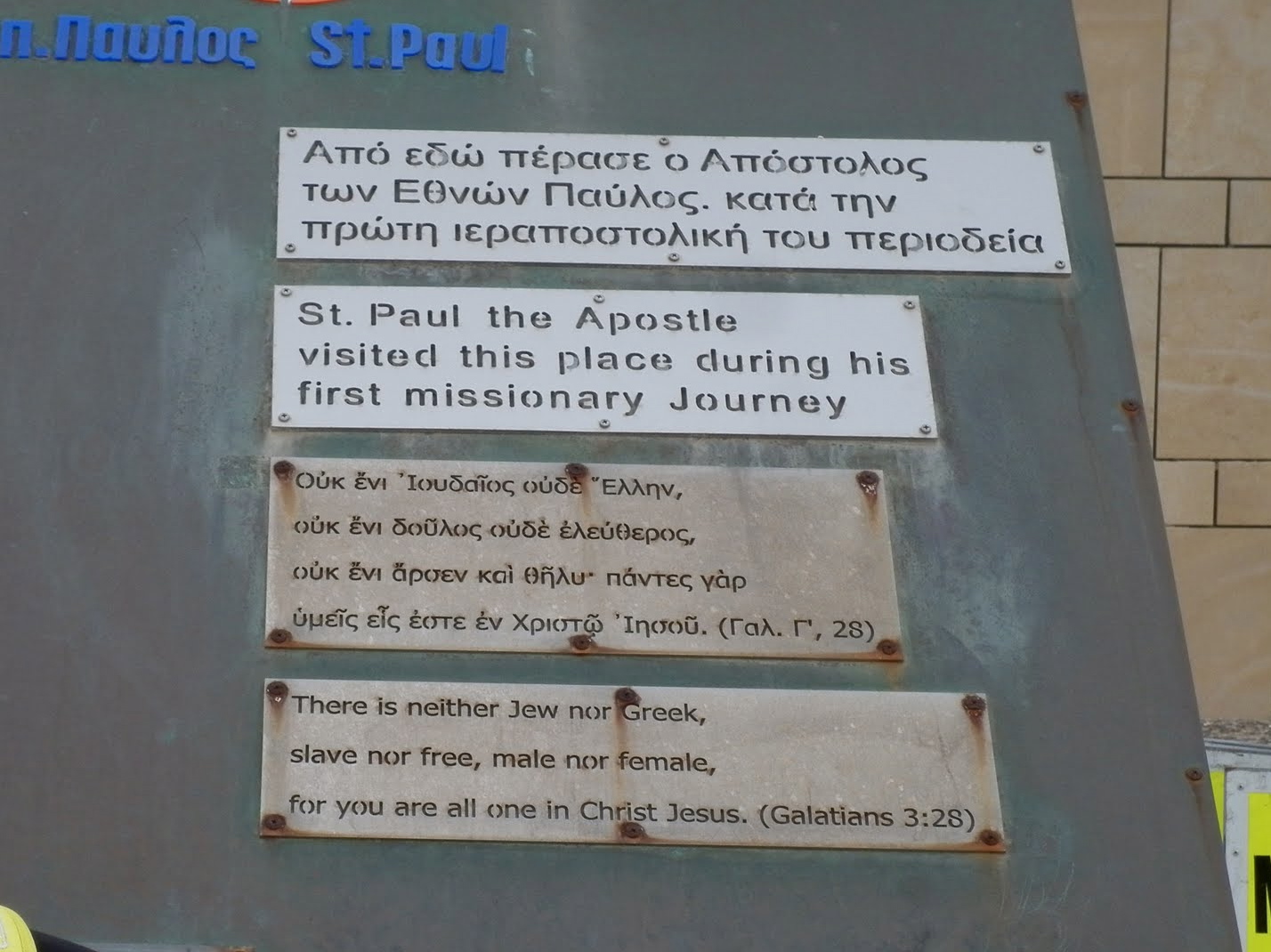
The marker in the Port of Paphos commemerating the arrival of St. Paul

The marker in the Port of Paphos commemorating the arrival of St. Paul

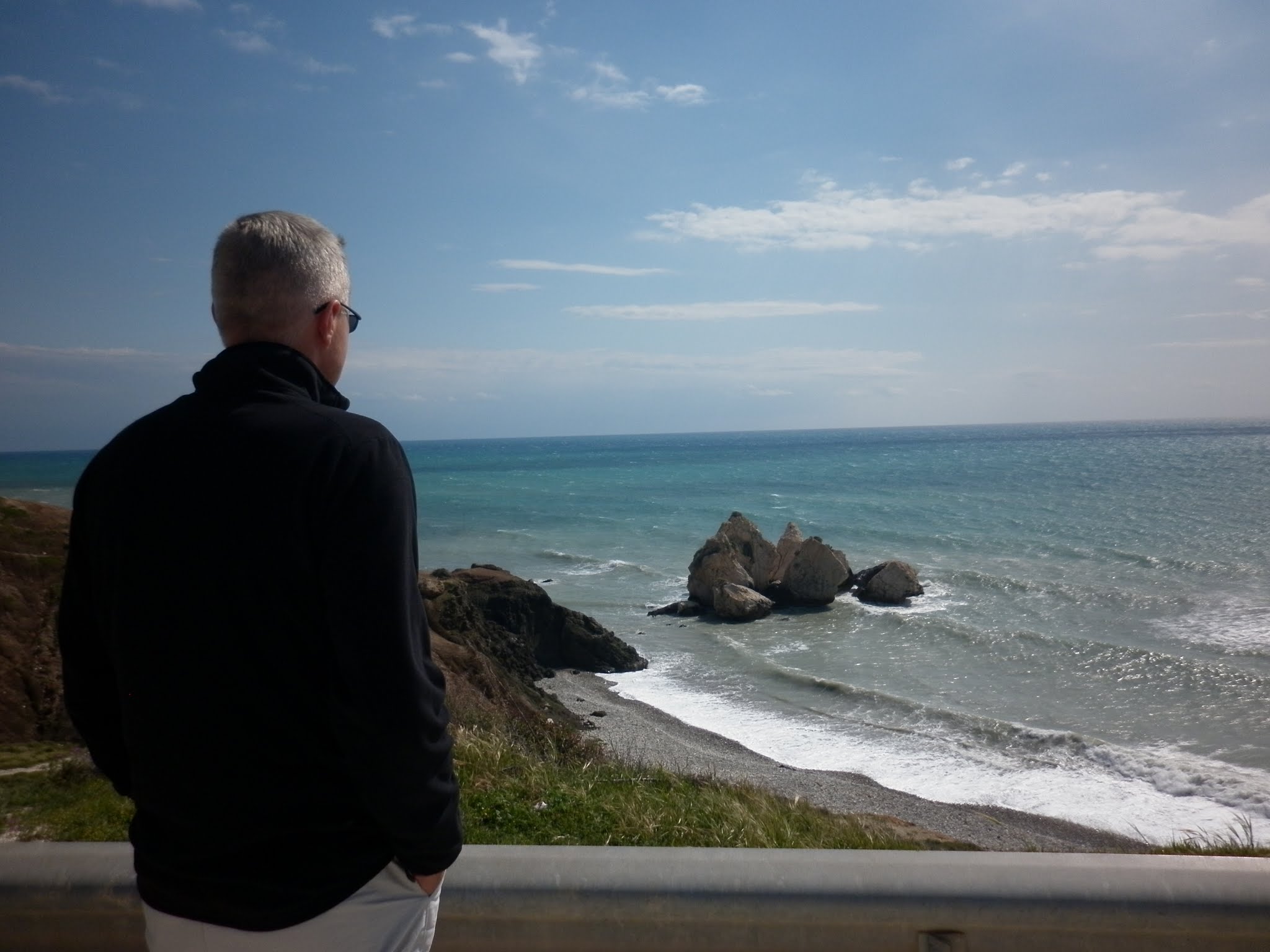
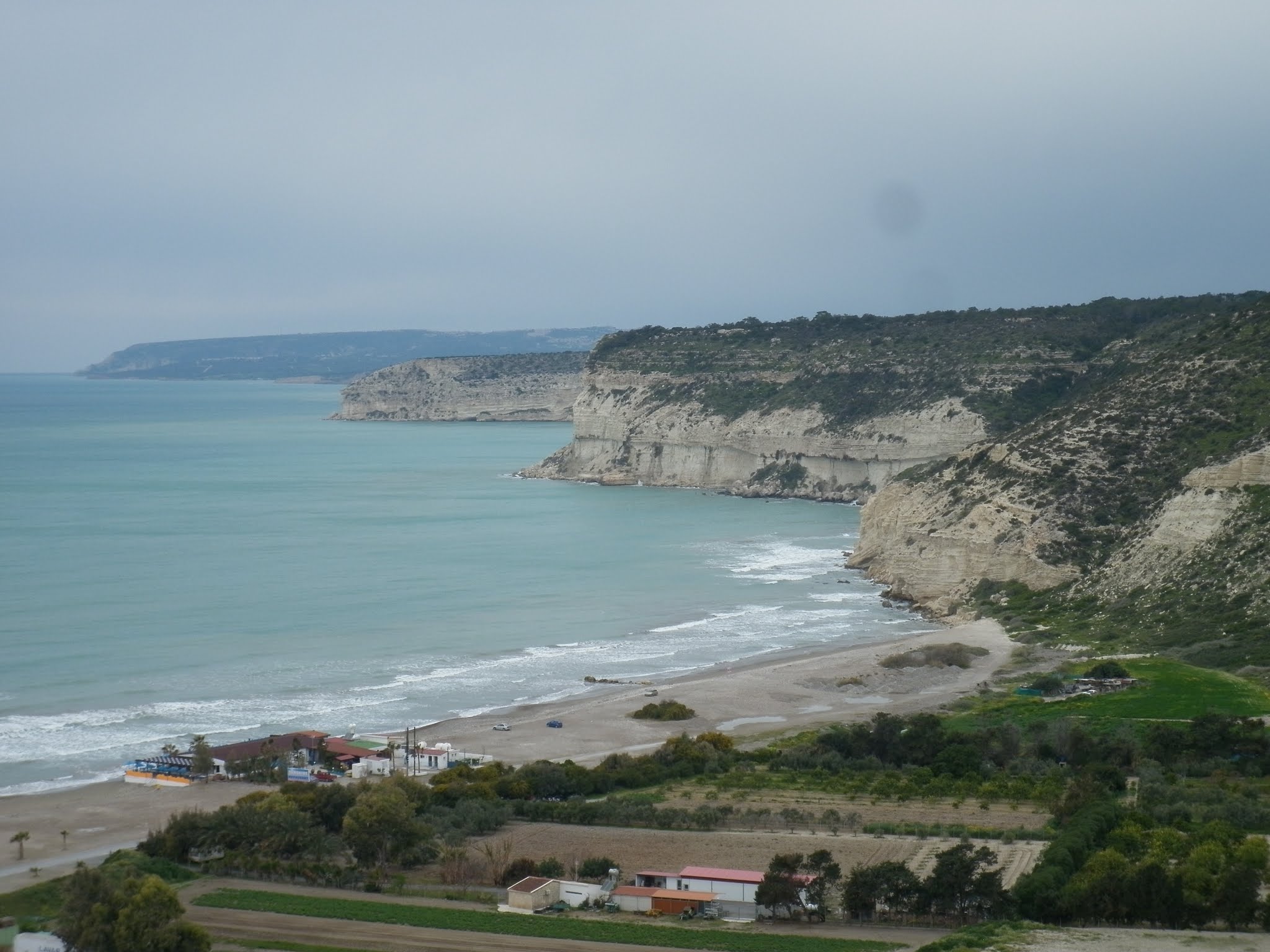
Reading about Paul’s journeys rekindled my memories of my own trip to one of his expat assignments, the island of Cyprus. Barnabas was from there (Acts 4:36), others too, including persecuted refugees who fled to Cyprus in the wake of Stephen’s martyrdom (Acts 11:19-20; 21:16). Paul, Barnabas and John Mark traveled the island together from Salamis to Paphos (Acts 13:4-13), where the Roman proconsul Sergius Paulus was converted. Barnabas and John Mark later returned to the island after parting ways with Paul (Acts 15:39). The evidence of their presence is still apparent in Cyprus culture. Archaeological remains speak of the influence of these early missionaries. The impact of their visits is a tribute to the power of gospel message. As I walked the old towns and explored the ancient ruins, I realized I was walking where Paul and Barnabas walked. I shared their view of the rugged coastline and the brilliant blue Mediterranean Sea.

The rugged Cyprus coastline

The rugged Cyprus coastline

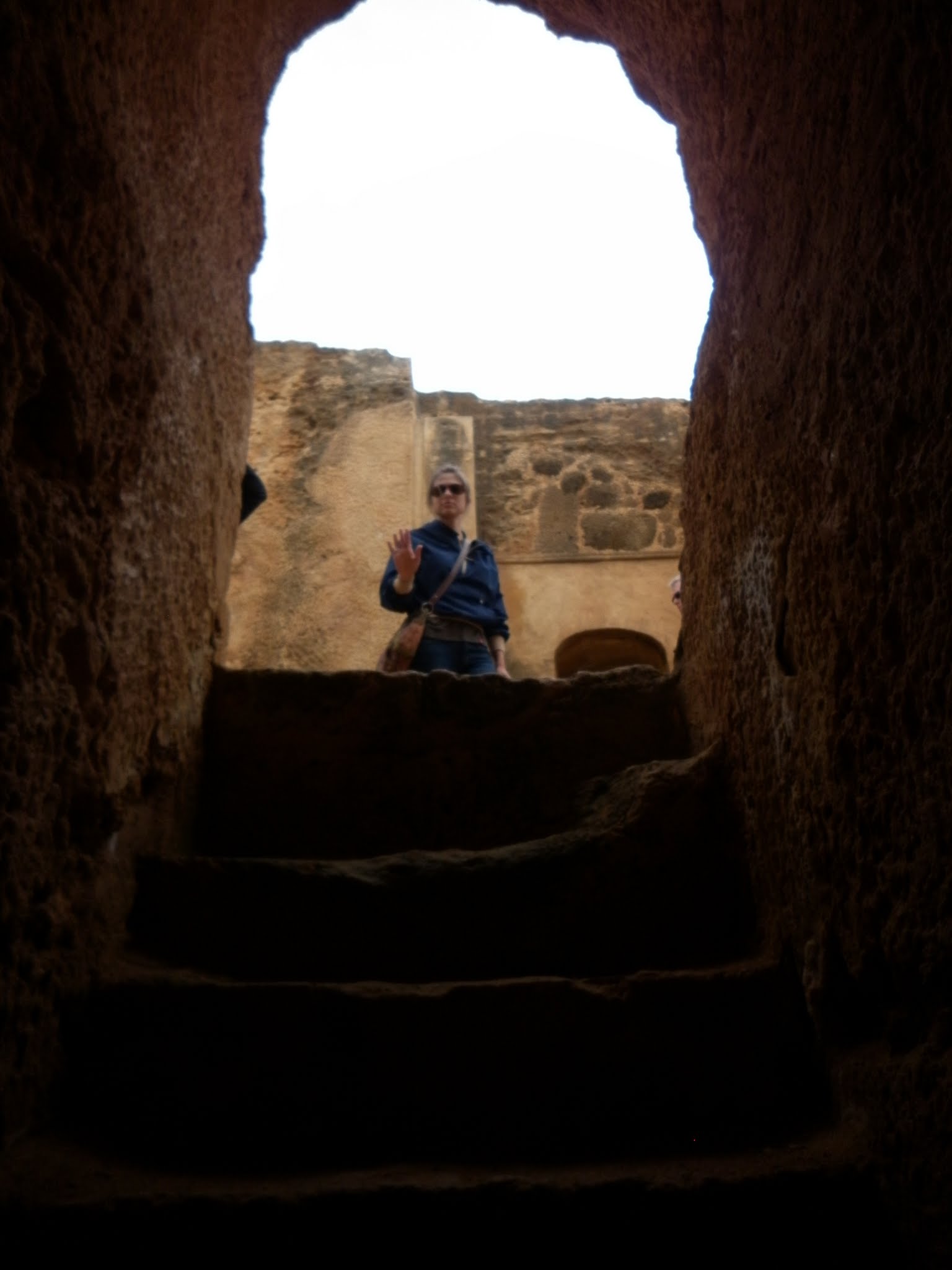
From inside the tomb- The Tombs of the Kings

From inside a tomb at The Tombs of the Kings

My memories of my visit to Cyprus caused me to consider the parallels between these first missionaries and my own expatriate life.

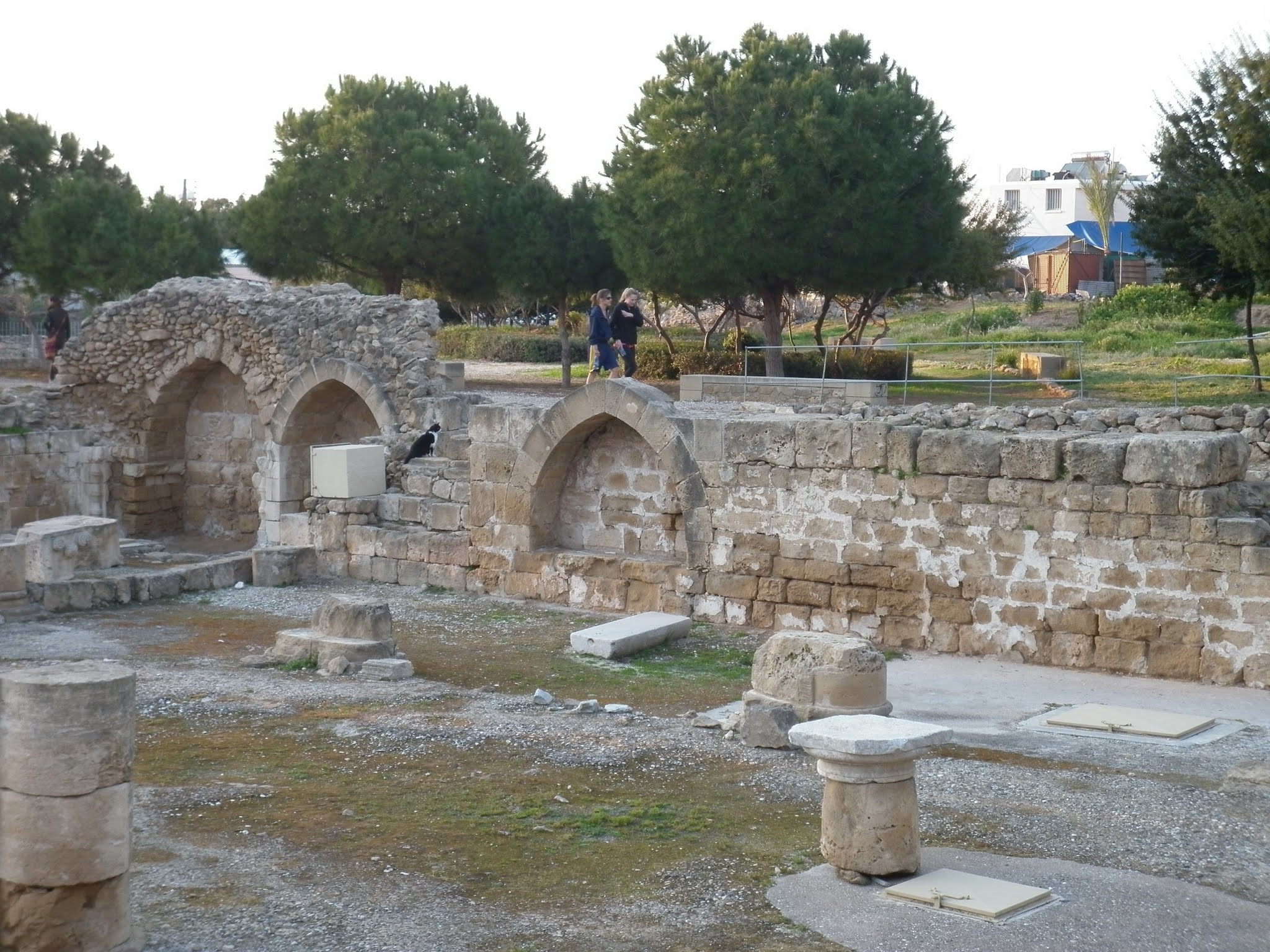
Remains of the Gothic Church, Ayia Kyriaki Church - Paphos, Cyprus

Like them, I am a traveler, encountering strange cultures, other religions and different schools of thought. I too need my faith, wits, courage and community to navigate my way. Paul’s letters speak of his love and concern for the people he met and the relationships he forged during his journeys. We expatriates do the same thing. We meet, we get to know one another, we serve together, we move on but our relationships remain. Our bond is a special one, shared and understood in a special way.

I can also relate to the stresses they were under. Acts 15:39 speaks of a sharp disagreement between Paul and Barnabas regarding whether or not John Mark should continue on as their traveling companion. Any married expatriate couple knows about the strain on relationships and the fortitude it takes to maintain a healthy one. Hashing things out, making difficult decisions and compromise are all part of the deal.

Paul faced many traveling hazards. He was shipwrecked, stranded, sick and often dependent on the kindness of others. He encountered legal problems and security issues. He was beaten and run out of town a number of times. As and expatriate living abroad, I identify with some of his struggles, but a reading of 2 Corinthians 11 makes me never want to complain about my own circumstances. Yet Paul never lost sight of what God had purposed him to do. He was resourceful and determined to overcome the obstacles he faced with a single-mindedness that I envy.

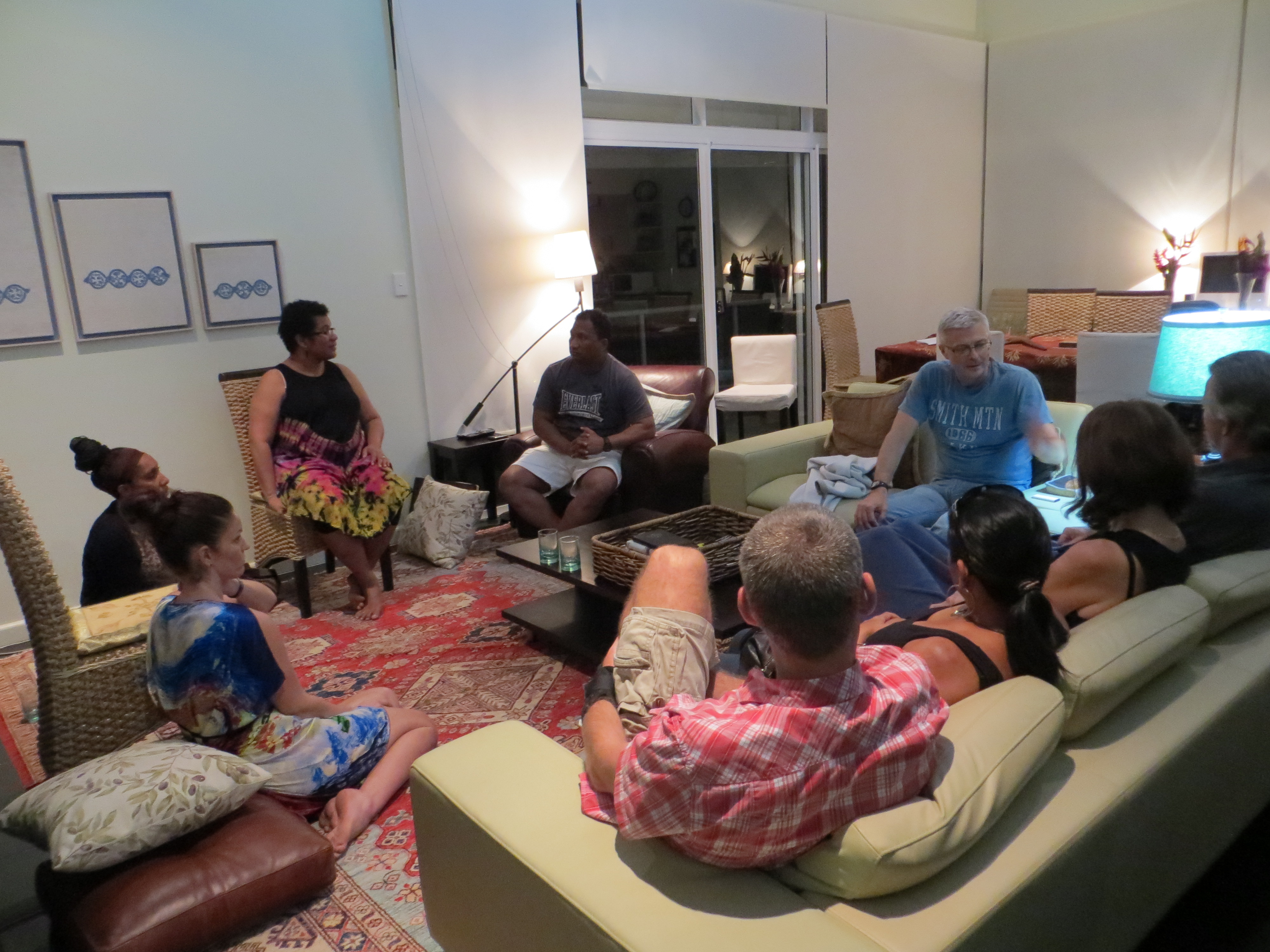
Paul’s tenacity encouraged me this week. The threat of protests loomed over Port Moresby and effectively (but unnecessarily) restricted my travel. I struggled to overcome some physical ailments. Calls from loved ones and photos on Facebook left me feeling homesick and discouraged. But in the midst of my isolation, I found solace in the camaraderie of the men and women that God has placed in my life. I am thankful for the group of faithful women who share this life with me, both in fellowship and in prayer. I am thankful for the voices of my home group lifted in praise and worship to the music of John Sutton’s guitar, for Linda Sutton’s comforting presence and her curious theological mind, and for the joyful disposition of Graham, the itinerant Australian pastor who visited our home on Tuesday night.

Paul and his companions did not know where the Lord would lead them next, they just knew that He would lead…and He would supply the means to go. I know the Lord who loves me will do the same on my behalf.

Acts 17: 24-29 – “The God who made the world and everything in it—He is Lord of heaven and earth and does not live in shrines made by hands. Neither is He served by human hands, as though He needed anything, since He Himself gives everyone life and breath and all things. From one man He has made every nationality to live over the whole earth and has determined their appointed times and the boundaries of where they live. He did this so they might seek God, and perhaps they might reach out and find Him, though He is not far from each one of us. For in Him we live and move and exist, as even some of your own poets have said, ‘For we are also His offspring.’ Being God’s offspring then, we shouldn’t think that the divine nature is like gold or silver or stone, an image fashioned by human art and imagination.”

Posted in Devotional Essays | Tagged , , , , , , , , , | Leave a comment

Cyprus Through My Eyes – Hannah Ralston
I love exploring bible lands. My research of the Acts of the Apostles rekindled my memories of our visit to  Cyprus. Next week I’ll tell you about what I saw but this week I thought it would be fun for you to see Cyprus through the eyes of a young, modern day traveler as we followed in the footsteps of the Apostle Paul. – Shirley

Cyprus coastline seen from the ruins of Kurion

Cyprus coastline seen from the ruins of Kurion

Cyprus is like the rougher, more rebellious sister of Greece.

March may not have been the ideal time to visit. But it was perfect for me. I don’t need bathing suit weather to have fun.

A good portion of winter’s sharpness remained in the winds that swept across the mountain that jutted out into the Mediterranean Sea. The island does not welcome you into its bosom with open arms promising sun, delicious food, and friendly people. Not to say Cyprus does not have all of these things. She merely invites you to explore her rougher facets first.

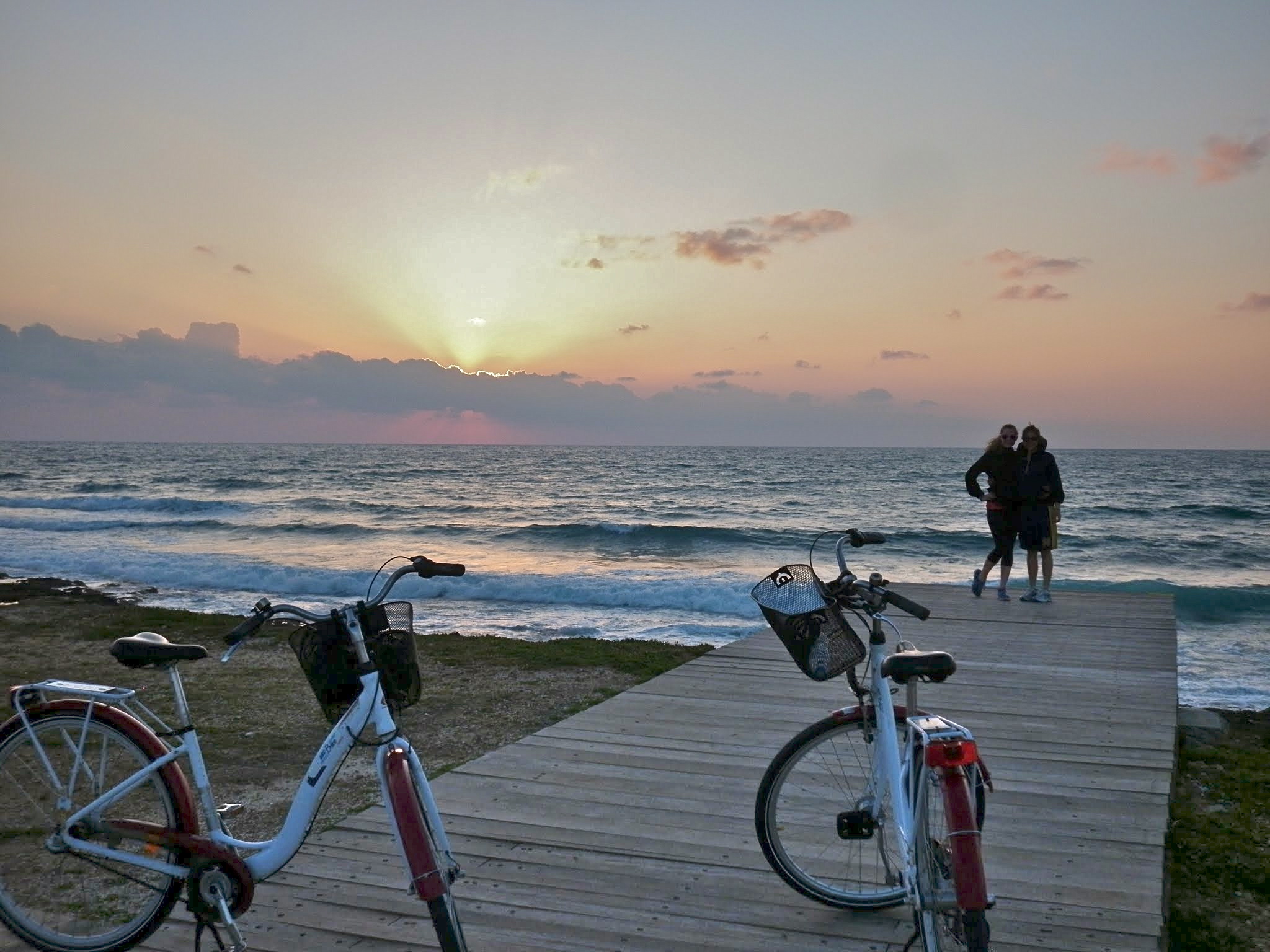
The cold air rubbed against my raw throat and stung my lungs. It blasted through my hair and cleared my eyes to the sight before me. I peddled even faster, not ever wanting the feeling to end. The setting sun sent brilliant streaks of gold, orange, and pink across the blue sky, setting the clouds ablaze as it sank slowly into the sea. The rosy glow settled on the small city of Paphos ahead of us, sending gold and pink reflections off the glass windows of the houses tiered against the old mountain. My family and I rode our bikes along the paved trail that extended along the shore of the Mediterranean from Paphos Harbor to our hotel. I felt a cold mist on my left cheek. I followed from whence it came, and saw another massive wave crash roughly into the porous, jagged rocks that separated us from the violent, icy ocean. I smelled the salt that was carried on the ocean mist. The pungent smell seemed to spur me further. Ignoring the burning in my thighs, I laughed and peddled faster. I had never felt so alive.

Biking on the promenade at sunset

Biking on the promenade at sunset

When I think of the week I spent in that country, two things stand out in my mind. The first is the woody sweetness of the delicious dried plums I made a habit of eating every morning, and the way I slept while I was there. I believe it was a combination of jetlag, the intense amount of physical activity that was contained in each day, and the immense volume of food I consumed per day. But sleeping in Cyprus was like falling into a deep trance. I liken it to a heavy rock being thrown into the center of a pond, and sinking rapidly to the bottom, not moving until someone comes to retrieve it in the morning.

My impressions of Cyprus that follow the initial two are many and vivid. The fierce wind, the rich, delicious food, the cobblestone street under my feet, the feel of my slick, wind-proof jacket, the way the white curtains floated in the breeze when the windows to our hotel room were opened, the cedar-like smell of the walls in the Elysium. I could go on.

Perhaps I will go back one day. Or maybe, I could just let my memories remain in my brain, undisturbed, like a pearl being held in a secret, velvet-lined box.

Hannah Ralston
Posted in Blog Entries | Tagged , , , , , , , | 1 Comment

Rabaul Recess ~ Continued

Here is my continuing story of our trip to Mt. Tavurvur in Rabaul on the South Pacific island of New Britain.  See Part I.

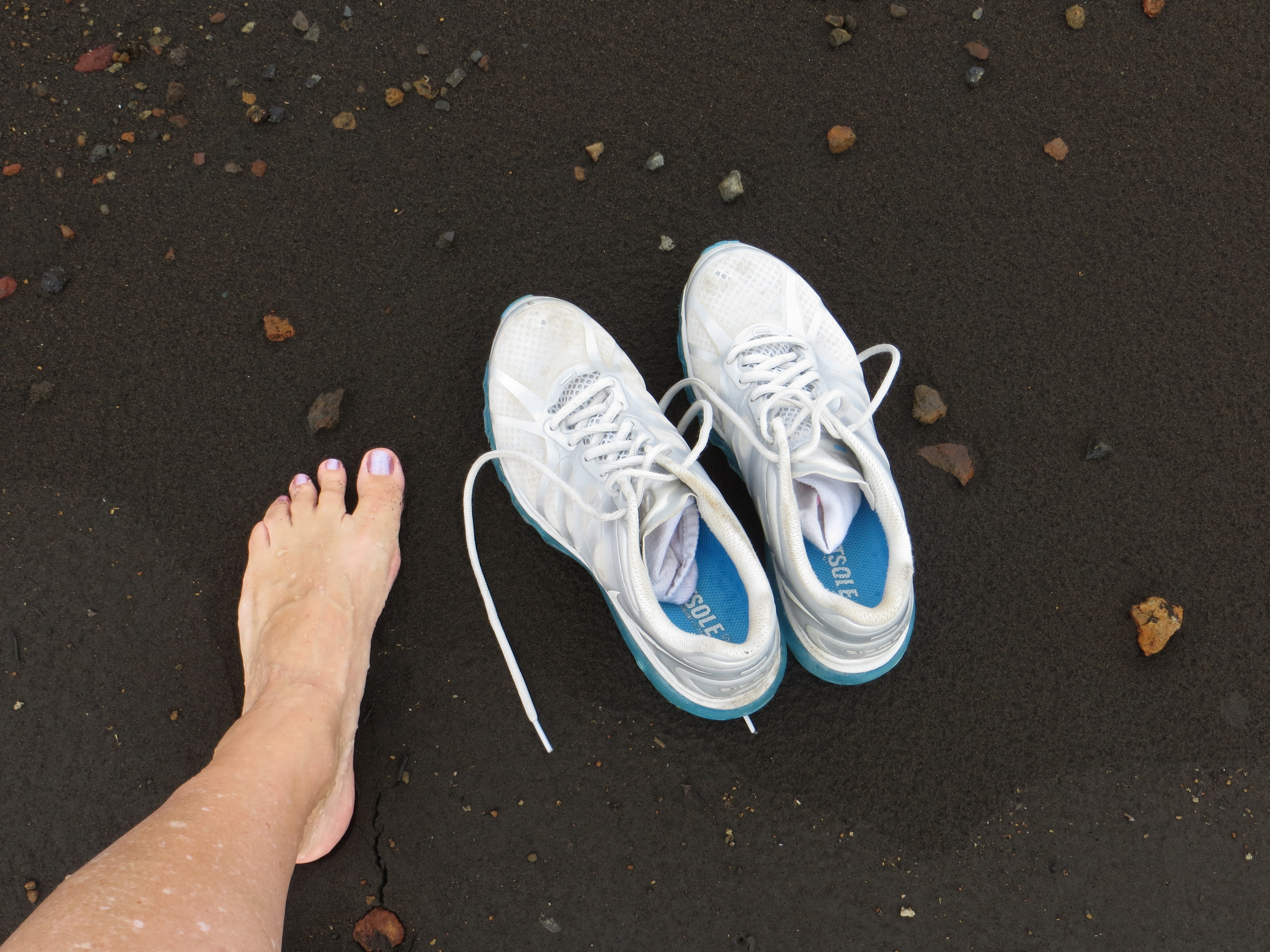
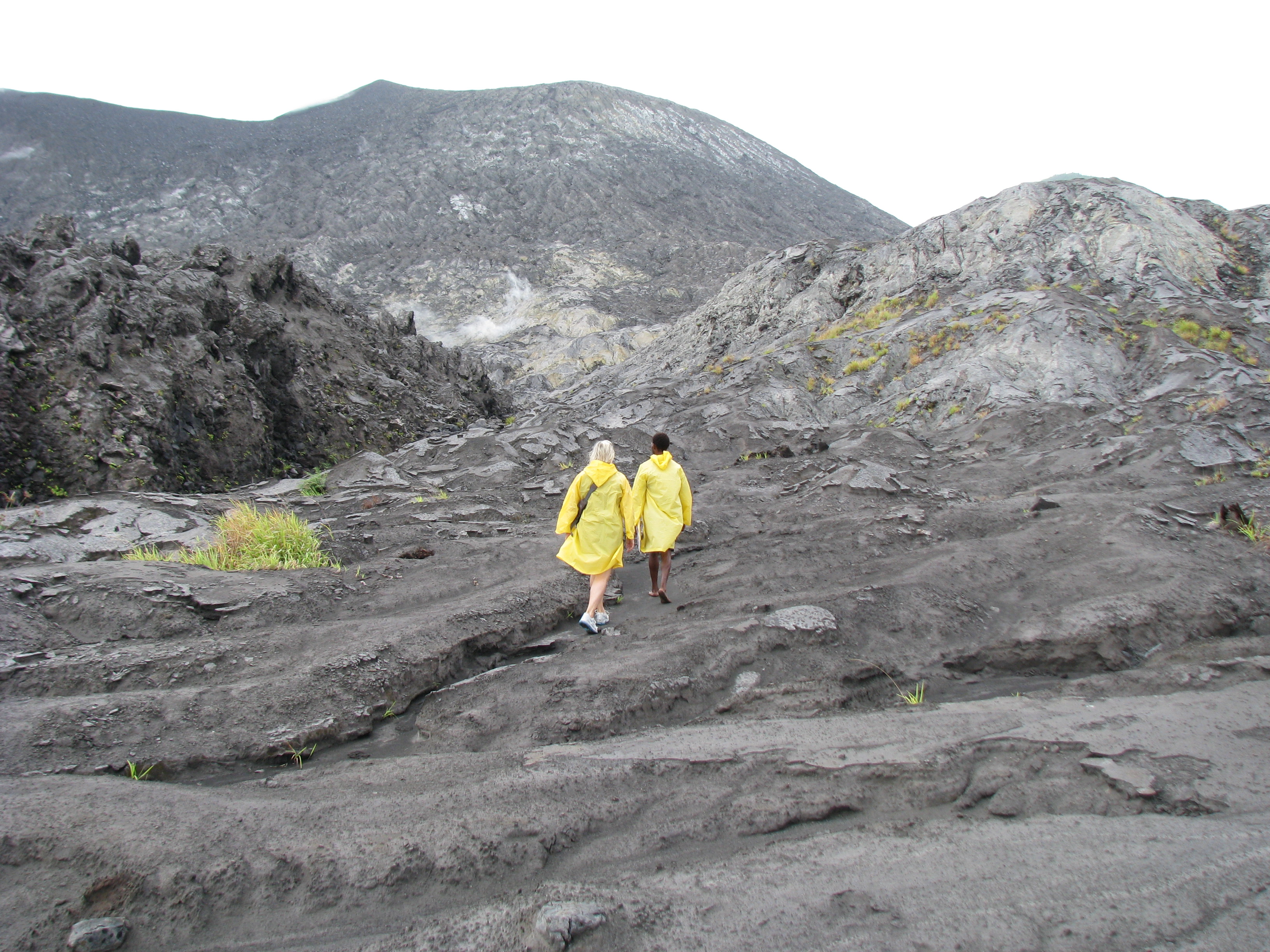
Thankfully, our journey across the bay was smooth and uneventful. Skipper Chris rounded the point in view of “mother”, the largest and oldest cinder cone. She is currently dormant and deceptively green and majestic. The water grew warmer and warmer as we got closer. We pulled up onto the black sandy shore, it’s color a result of pulverized volcanic rock and ash. The base of Tavurvur bares the remnants of past eruptions and lava flows. They spread down to the beach in the form of black and gray jagged rock. I noted my running shoe clad feet in comparison to Paul’s bare ones. I heard my husband say, “Are you going up this mountain without shoes?” “Yes”, Paul said, smiling as he led the way. I envied his ease and agility as he scrambled up the base of the volcano, confidently choosing our path towards a low-lying steam vent. I had to carefully navigate my every footfall. Instinctively he would turn towards me and offer an assisting hand.
The Black Beach of Tavurvur

The Black Beach of Tavurvur

A "shoe-footed" ascent

A “shoe-footed” ascent

Before long we could hear hissing steam coming from the rocks that were turned yellow by the sulfur coming from deep below. The unmistakable smell of rotten eggs hung in the air. We stood and watched with fascination as the vent expelled steam from the side of the mountain. It was loud and it had a certain rhythm that made me wonder what type of force underneath the earth could possibly produce that kind of cadence.

High above us, the summit of Tavurvur continued to belch light gray ash. We ascended higher, drawn like Frodo and Sam to the top of Mt. Doom. Soon though, my legs told me it was time to turn around. Much to the chagrin of the men, we began our descent back down to the beach. I stopped often to assess the path in front of me, more treacherous now – the rocks were wet and slick.

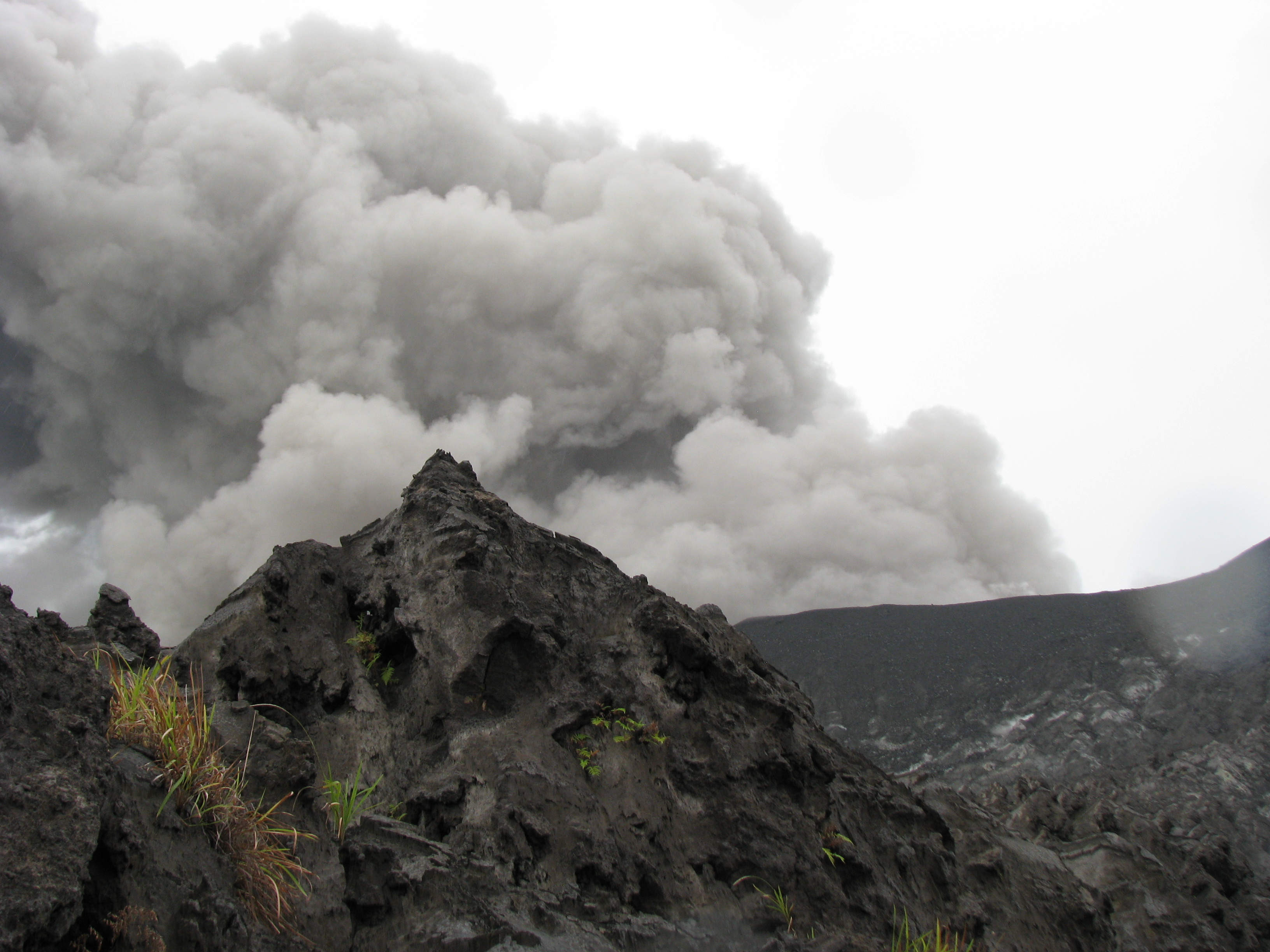
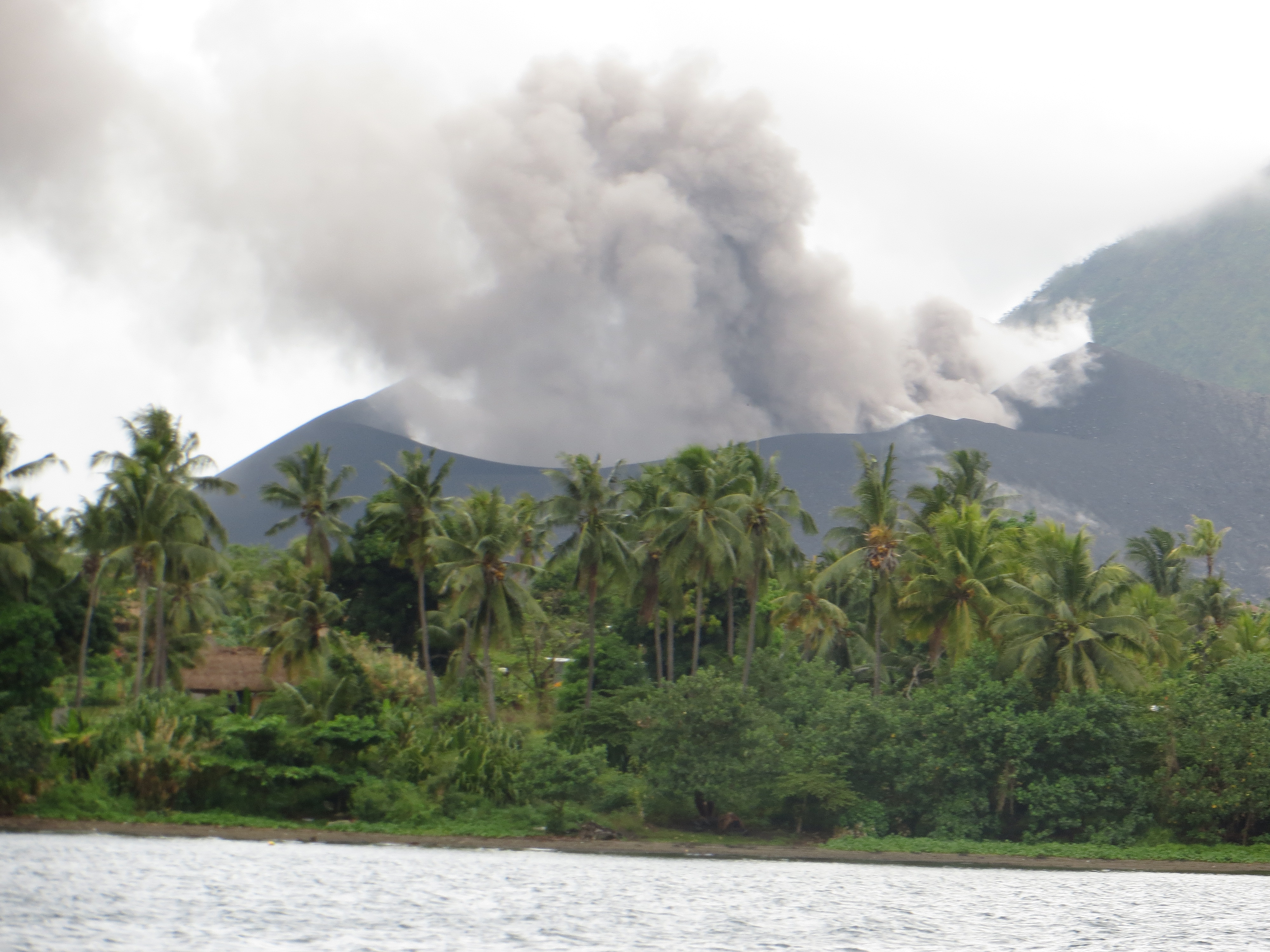
Suddenly the ground began to rumble and shake beneath my feet. A loud explosion, like a cannon-shot, came from above. I turned and looked up to see Mt. Tavurvur ejecting massive boulders from her top. Thick black smoke and ash billowed into the sky.  ‘Wow. This is crazy. I’m going to get crushed by falling boulders’, I thought. ‘On a remote island in the Pacific…like maybe no one will ever even find me.’ I was thinking of Frodo and Sam again…happy I didn’t have a ring to destroy, but wishing a gigantic eagle would come pick me up. That would’ve been awesome. Lucky for us, the trajectory of the mountain’s caldera put us out of harm’s way.

The mountain rumbles

The mountain rumbles

She blows!

She blows!

From a safe distance, we watched Tavurvur angrily spew her insides for a couple of minutes before continuing our journey down. On the beach Chris was all smiles. “The mountain blew for you!” he said. I smiled at him. “Yes, it certainly did.”

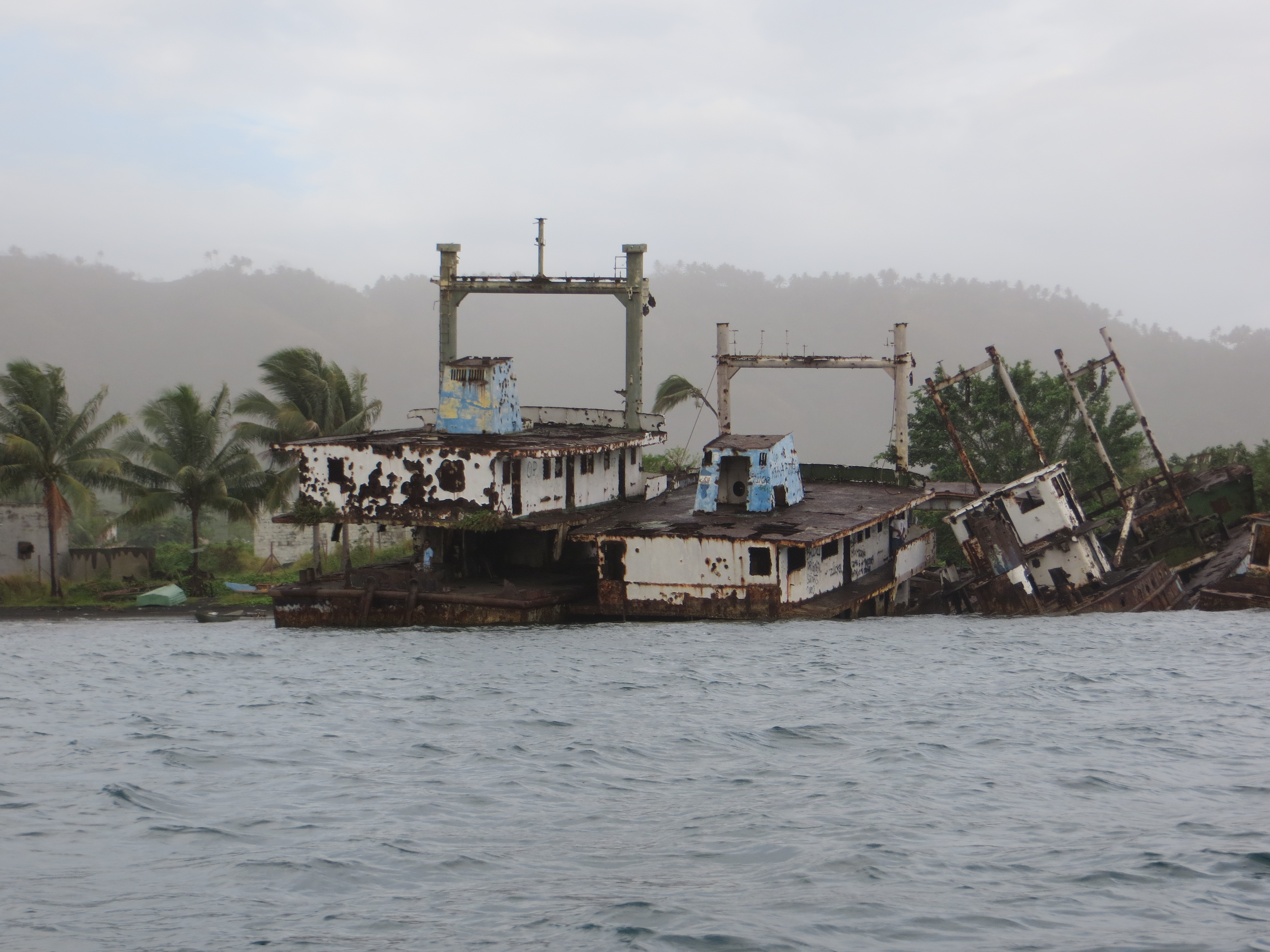
We continued to be mesmerized by the volcano’s activity, past and present, as we toured the harbor. A Japanese stronghold during World War II, the harbor is littered with relics from the war, both above and below the water. It also bears the scars of the volcano’s destructive eruption in 1994. Evidence of a town quickly abandoned is everywhere. Particularly striking was the overgrown runway from the old airport, dramatically sheared off at the water’s edge. The Volcano Observatory sits high on a hill above the harbor, continually monitoring the mountain’s activity in case of the need for evacuation.

Remnants of war and eruptions

Remnants of war and eruptions

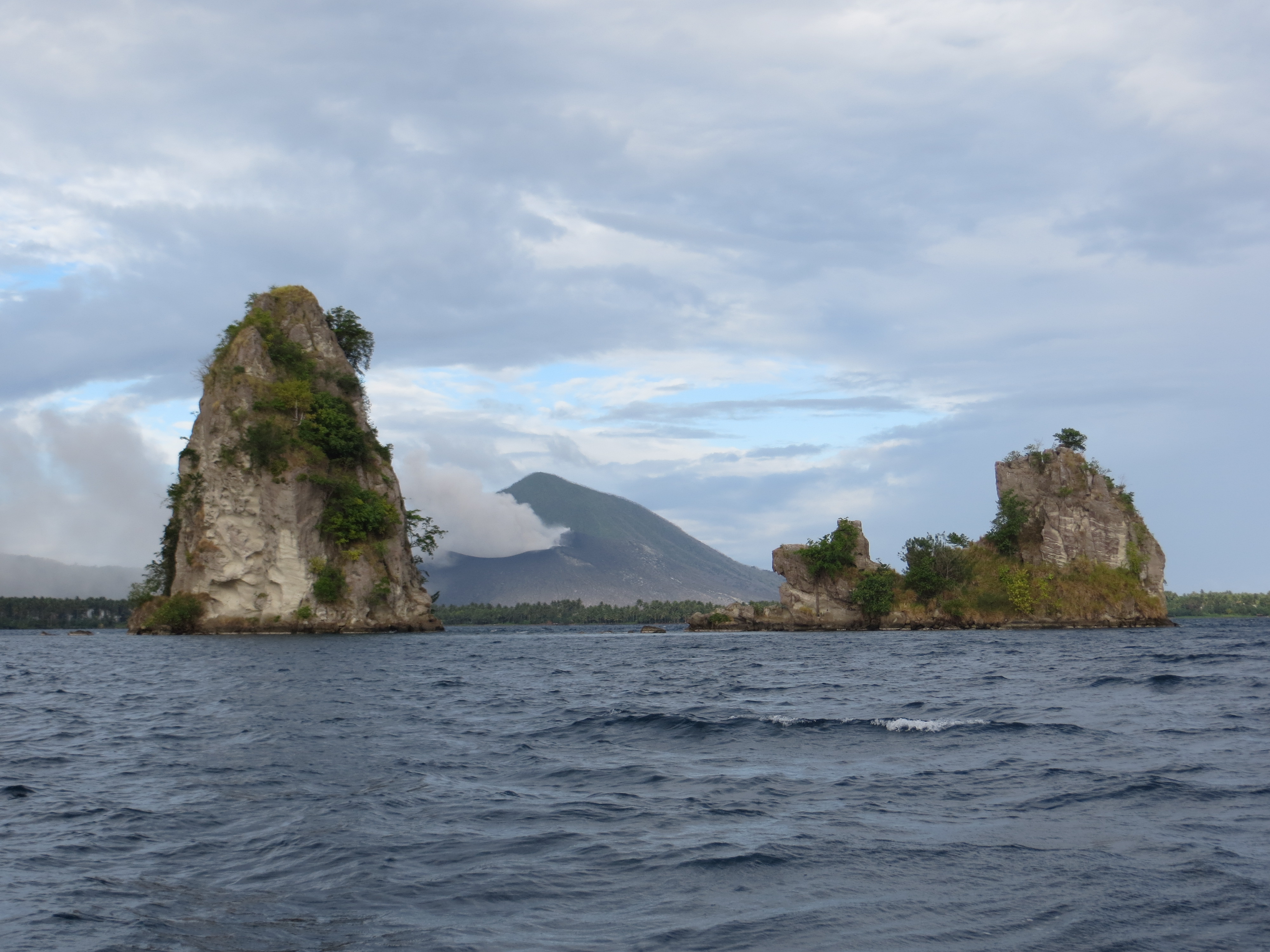
As we headed out of the harbor, past the Vulcan cinder cone and the distinctive Beehive remnant, I thought about the resiliency of the island’s inhabitants. They seem content to live near such potentially destructive power that could awaken at any moment. So unlike me, constantly assessing my risks.

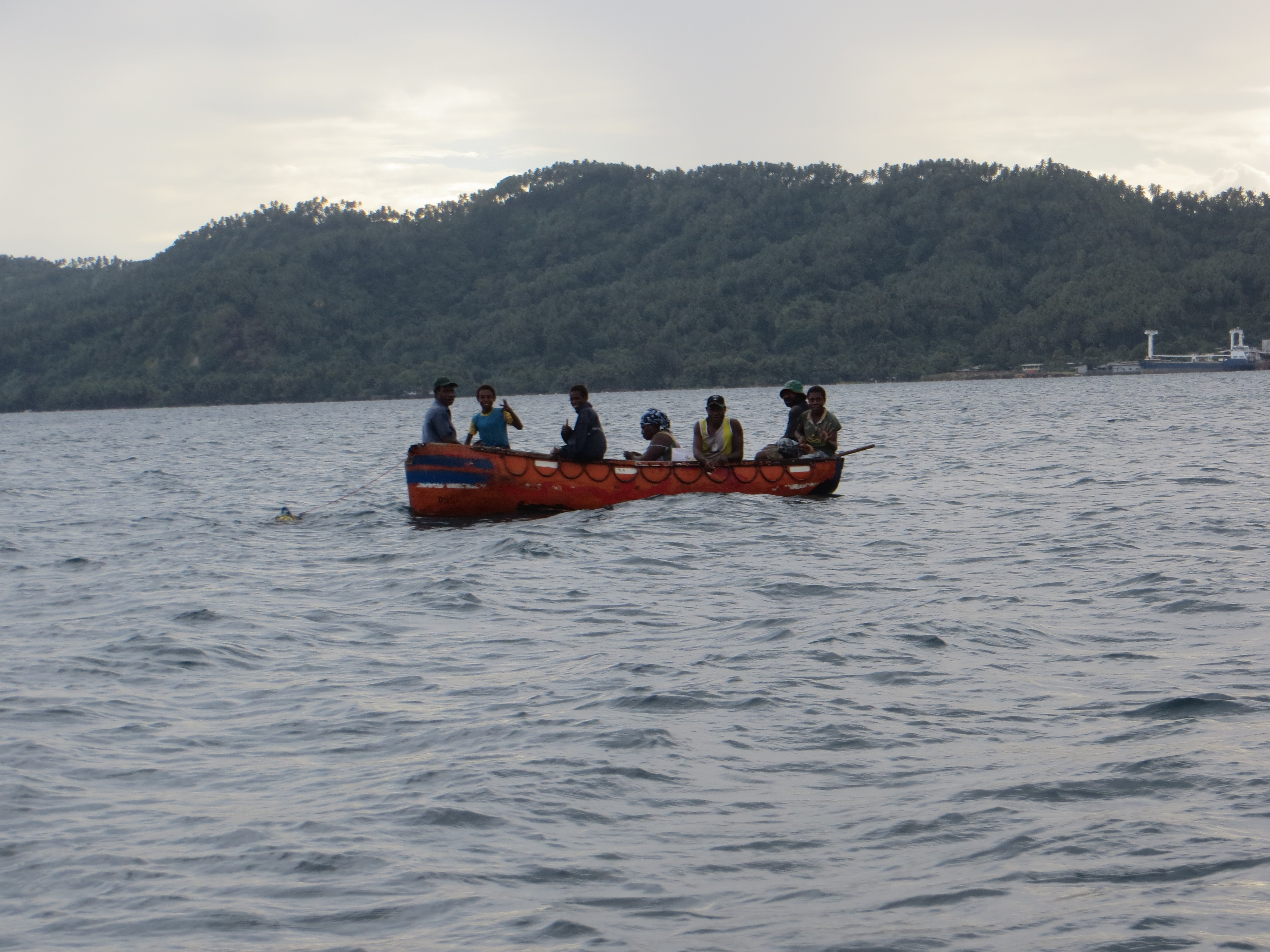
Inhabitants of Rabaul fishing near the shores of Tavurvur

Inhabitants of Rabaul fishing near the shores of Tavurvur

The Beehives in Rabaul's Harbor

The Beehives in Rabaul’s Harbor

By the time we headed for home, it was late afternoon. The wind was stiff, which made for some very large swells and a very long trip. The little banana boat whacked its way back across the open water in a manner that scared the living daylights out of me. I was hanging on for dear life the entire time. My husband stood with his face in the wind, holding the rail on the side of the boat and loving every minute of it. I guess it’s true that opposites attract. What a day and what a once in a lifetime experience! As I stepped out of the boat onto dry land I looked at the dark gray muddy ash still on my shoes and remembered a couple of lines from my favorite movie:

Sam ~ “There and Back Again: A Hobbit’s Tale by Bilbo Baggins, and The Lord of the Rings by Frodo Baggins. You finished it.”

Frodo ~ “Not quite. There’s room for a little more.”

The adventure continues!

Posted in Blog Entries | Tagged , , , , , , , , | 2 Comments

Rabaul Recess – Part One

Living on the Pacific Rim provides some awesome opportunities to feel the earth move. Well, maybe you wouldn’t think it was so awesome, but if you are a nerd like me it’s pretty cool. It’s a very real reminder of the power of God in creation. This whole region is active with tectonic movement and tremors and earthquakes are common. A couple of weeks ago my husband relayed to me what he described as “a very large person stomping down the hallway” at his office. Turns out it was a tremor. Just looking around at the landscape of Papua New Guinea provides plenty of visual evidence of volcanic activity as well.

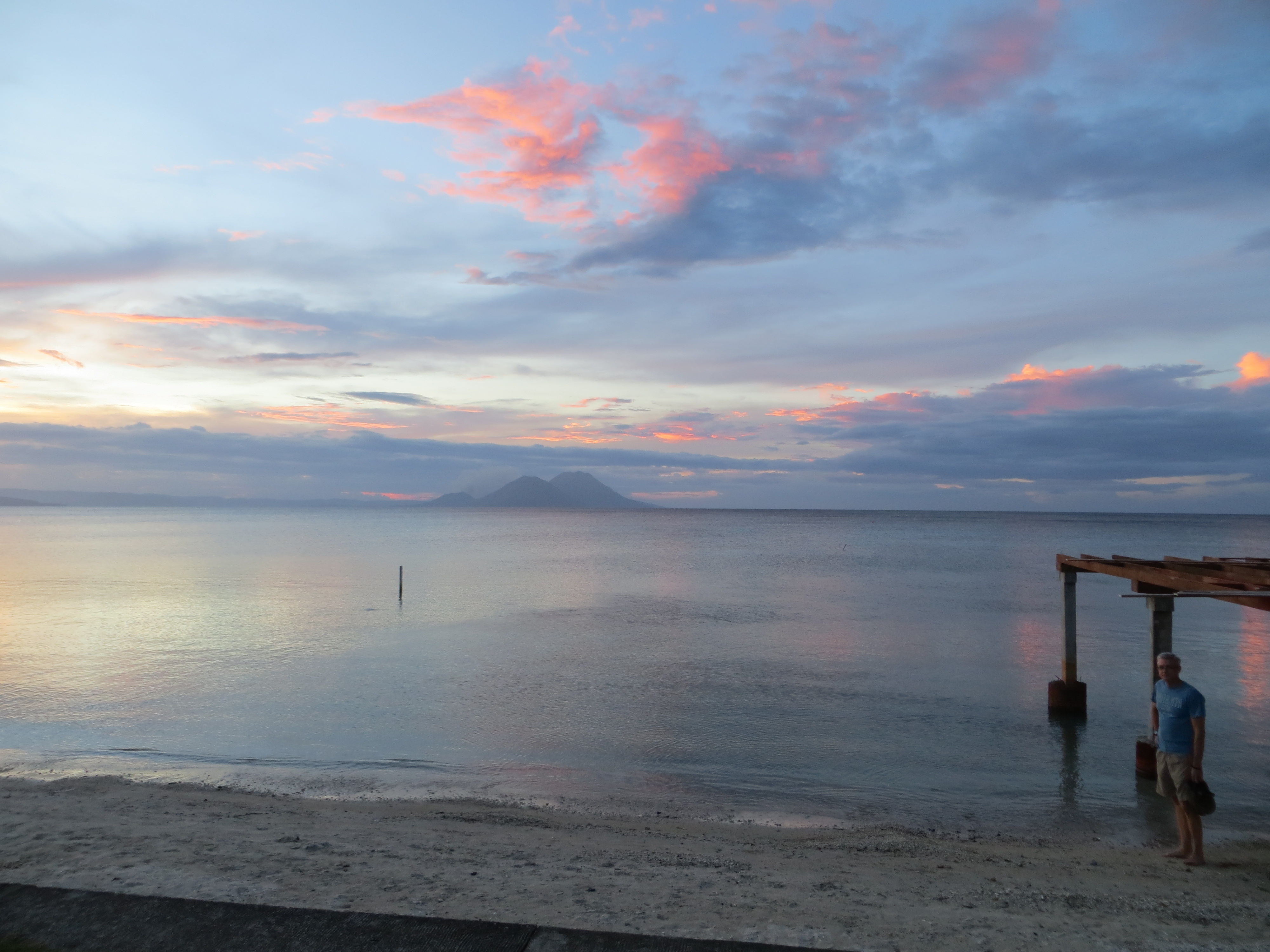
We took advantage of a long weekend recently in order to experience some of this seismic activity up close, in Rabaul on PNG’s island of East New Britain. The 1 hour and 20 minute flight from Port Moresby is perfect for a weekend getaway. Flights depart on Friday afternoon and arrive in time for dinner and a spectacular sunset – thanks to the volcanic ash. Our accommodations were about 10 minutes from the airport near the town of Kokopo. We stayed at Rapopo Plantation, a place with that perfect, laid back, South Seas feel.

sunset in Rabaul

Sunset in Rabaul-Tavurvur in the distance

Rabaul is a popular destination for divers and snorkelers because of the incredible reefs that surround the island. But it also provides the rare opportunity to experience the Tavurvur cinder cone that is part of the Rabaul mother volcano and the Bismarck Arc. This family of volcanoes sits alongside the harbor in Blanche Bay. Tavurvur is extremely active and has proven to be quite dangerous. It, along with the Vulcan cinder cone, erupted in 1994, causing the evacuation of the town of Rabaul. Thankfully, due to early warning, there was no loss of life. The town has been rebuilt a safer distance away. But since the eruption of 1994, the cinder cone of Tavurvur inside the caldera has continually made it’s presence known. We booked our volcano walk and harbor tour through the full service dive shop on site where we were staying.

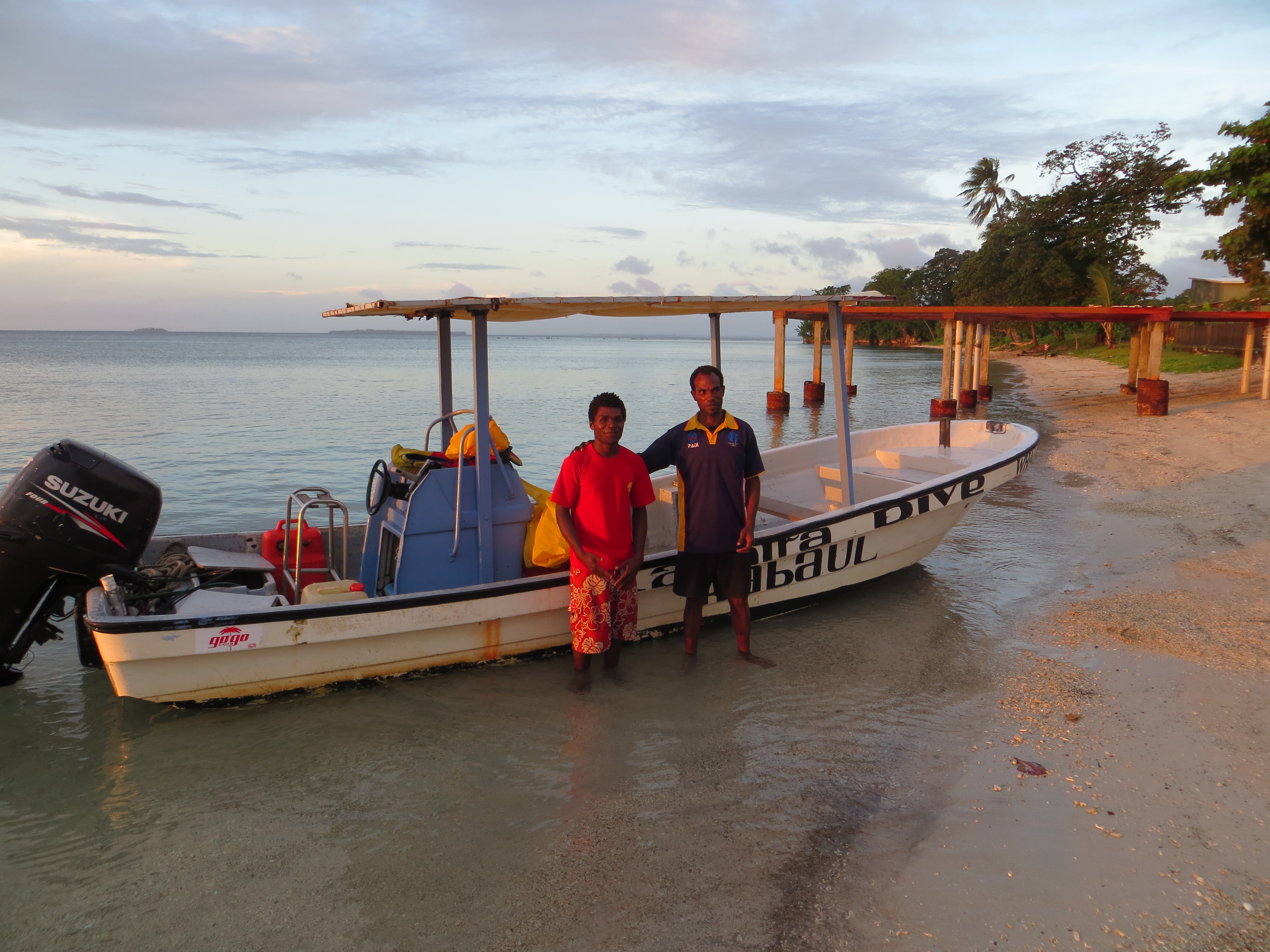
Chris, Paul and our banana boat

Chris, Paul and our banana boat

I admit, I am often guilty of suffering from American expectations and this time was no exception. When I saw the small banana boat we would be making our journey in moored along the beach I thought, ‘Really? Where’s the bathroom on that thing? What if I get seasick?’ I suddenly had misgivings about putting my life in the hands of two barefoot local guides in this dinky little boat. But, my desire to see an active volcano overcame my fear so I stepped in sat down and grabbed the edge of my seat. I looked at my husband and asked quietly, “Do you think there are any life jackets on board?” He shrugged…an unusual response for the safety sergeant I know him to be. Paul, our tour guide, must have sensed my anxiety because he stood up suddenly saying, “I now go over safety. There are life jackets in the hold, we have first aid kit, and there are drinks and snacks under your feet.”  I guess he thought that would make me feel better. I tried to ease my anxiety by telling myself that he and Chris, our skipper, had probably plied these waters their entire lives. If anyone had died on their watch I sure didn’t know it and well…ignorance is bliss, right? All the while I was mentally calculating how I was going to get that life jacket out the hold if necessary. Paul and Chris just smiled at me as they gently navigated past the reef and headed out across the open ocean towards the puffing mountain in the distance. My husband seemed unconcerned but I’m a real chicken at heart, and I was praying and hanging on tight.  

He looks at the earth, and it trembles; He touches the mountains, and they pour out smoke. I will sing to the Lord all my life; I will sing praise to my God while I live.” (Psalm 104:32–33, HCSB)

More to come! Next – the climb!


Posted in Blog Entries | Tagged , , , , , , , , , | Leave a comment

My Name is Pride

Humble yourselves, therefore, under the mighty hand of God, so that He may exalt you at the proper time,” (1 Peter 5:6, HCSB)

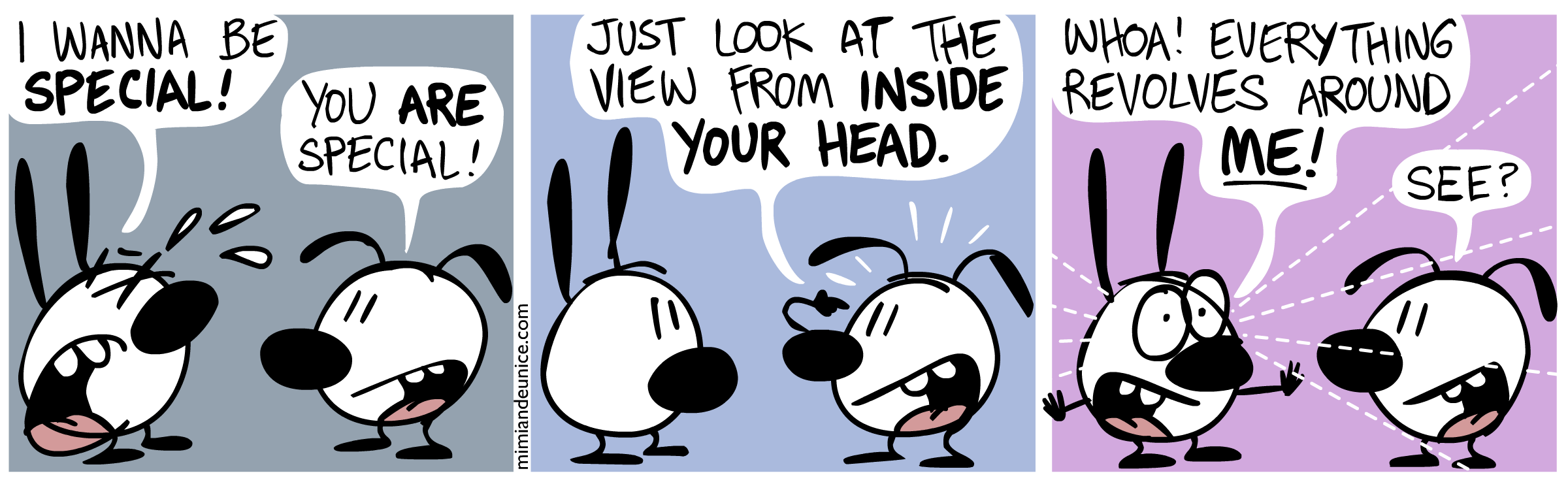
Say what you will about the Internet, but I have to tell you I’d be lost without Skype. It makes my life in PNG seem a little less distant from my friends and family. Especially great is the ability for my daughter and I to do a bible study together, even though we are separated by thousands of miles. We’ve been studying from Beth Moore’s book, Praying God’s Word. The book addresses how every believer can confront the strongholds in their lives by praying through the scriptures. The strongholds covered in this book seem to be the ones most common to humankind, but there is one that is without question at the top of the list. – The sin of pride. I found one statement particularly honest and revealing, “Pride is self-absorption, whether we’re absorbed with how miserable we are or how wonderful we are.”[1]  How true! After reading the chapter on Pride, my daughter and I agreed we both have more issues than we were willing to admit. It is incredibly hard to focus away from self. I’ve found that it takes a definitive act of volition to view the world with me not at the center! Our natural tendency is to continually check ourselves out in the mirror, and if we don’t allow God’s humbling hand to turn our face away, it can have devastating consequences. I’d like to share some of Beth Moore’s prose with you today. I think you’ll find it a perfect description of the pitfalls of pride.

“My name is Pride. I am a cheater.

I cheat you of your God-given destiny…because you demand your own way.

I cheat you of contentment…because you ”deserve better than this.”

I cheat you of knowledge…because you already know it all.

I cheat you of healing…because you’re too full of me to forgive.

I cheat you of holiness…because you refuse to admit when you’re wrong.

I cheat you of vision…because you’d rather look in the mirror than out a window.

I cheat you of genuine friendship…because nobody’s going to know the real you.

I cheat you of love…because real romance demands sacrifice.

I cheat you of greatness in heaven…because you refuse to wash another’s feet on earth.

I cheat you of God’s glory…because I convince you to seek your own.

My name is Pride. I am a cheater.

You like me because you think I’m always looking out for you. Untrue.

I’m looking to make a fool of you.

God has so much for you, I admit, but don’t worry…

If you stick with me

You’ll never know.”[2]


[1] (Moore, 2009)

[2] (Moore, 2009)

Posted in Devotional Essays | Tagged , , , , | Leave a comment